Leggings have become a staple in every wardrobe, celebrated for their comfort and versatility from gym to street. Did you know that sewing your own leggings can save money while allowing for a customizable fit that ready-made styles often lack? In this comprehensive DIY activewear tutorial, we’ll not only guide you through the process of creating your own leggings but also explore essential styling tips, care instructions, and budget-friendly alternatives. You’ll discover how to make pieces that perfectly align with your active lifestyle, whether you’re hitting the yoga mat or enjoying a casual day out. Let’s empower your fashion choices by merging comfort and style, enabling you to transition seamlessly between workouts and everyday activities. Ready to get started? Let’s dive into the world of DIY leggings and unlock your creativity!
How to Choose the Right Fabric for Leggings
When it comes to selecting the perfect fabric for your leggings, understanding the unique qualities of different materials can elevate your DIY project from basic to truly stylish. The right fabric not only affects the look but also the feel, comfort, and functionality of your leggings. Key characteristics to consider include elasticity, breathability, weight, and moisture-wicking abilities-essential for activewear that transitions seamlessly from workouts to casual outings and even to athleisure styling.
Popular Fabric Choices:
- Spandex/Lycra: Often blended with cotton or polyester, this fabric provides excellent stretch and recovery, crucial for form-fitting leggings that allow freedom of movement.
- Polyester: Lightweight and moisture-wicking, polyester blends are durable and maintain their shape well, making them ideal for activewear.
- Cotton Spandex: Soft and breathable, this fabric offers comfort against the skin while providing some stretch. It’s perfect for those who prefer natural fibers without compromising on flexibility.
- Nylon: Known for its durability and smooth texture, nylon provides a sleek finish which can make your leggings feel luxurious while also being resistant to wear and tear.
Factors to Consider:
When choosing fabric, consider your intended use. If you’ll be wearing your leggings primarily for high-intensity workouts, opt for blends that prioritize moisture-wicking and breathability. On the other hand, if you’re looking for casual daily wear, cotton blends may provide the comfort you crave. Additionally, checking the fabric’s opacity is crucial-nobody wants a see-through moment while striking a pose in yoga class!
Moreover, thinking about texture and drape is equally important. Fabrics that have a smooth finish not only look sleek but also prevent chafing during activities. As you choose your fabric, visualize the versatility it will bring to your wardrobe; leggings in fun prints or bold colors can be both a fashion statement and a wardrobe staple.
With the right fabric, not only will you create a comfortable piece of activewear, but you’ll also empower yourself to embrace leggings as a chic option for both the gym and day-to-day life. Get creative, experiment with different textures, and soon you’ll find your leggings becoming a go-to item that fits into every aspect of your modern, stylish lifestyle.
Essential Tools and Materials for Sewing
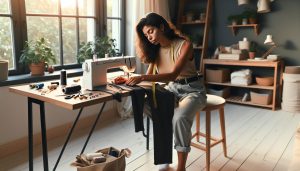
Creating your own leggings can be a rewarding project that allows you to combine style and comfort in your wardrobe. To embark on this sewing journey, it’s essential to have the right tools and materials that will streamline the process and ensure you achieve a professional finish.
Investing in high-quality sewing essentials not only makes your crafting experience more enjoyable but also enhances the durability and appearance of your leggings. Start with a reliable sewing machine capable of handling stretchy fabrics-look for one with a zigzag stitch as it accommodates fabric elasticity. In addition, ballpoint needles are ideal for sewing knits and stretch fabrics, as they glide between the fibers instead of piercing them, minimizing potential snags. Don’t forget to stock up on a variety of thread types; polyester thread is highly recommended due to its strength and flexibility.
Additional Essential Tools
- Measuring Tape: Ensure accurate measurements for a perfect fit by using a flexible measuring tape.
- Fabric Scissors: A good pair of fabric scissors will provide clean cuts and prevent fraying.
- Pins and Clips: Use pins for holding fabric layers together, and consider fabric clips for thicker materials.
- Cutting Mat and Rotary Cutter: These tools allow for precise cutting, especially for patterned fabrics.
- Seam Ripper: Mistakes happen; a seam ripper will rescue your project by allowing easy corrections.
Materials to Consider
Choosing the right materials is crucial for achieving the desired results. As previously discussed, opt for fabrics that provide comfort and fit, such as spandex blends, polyester, or cotton spandex. For those looking to venture into more sustainable options, consider organic cotton or recycled polyesters that add a modern touch to your leggings. Additionally, think about elastic bands for the waistband to enhance comfort and fit without sacrificing style.
Gathering these tools and materials not only prepares you for the project ahead but also empowers you to express your unique style through your handmade leggings. With the right setup, you can confidently transition your DIY garments from the gym to a casual day out, achieving the perfect blend of athleisure fashion that suits your lifestyle.
Step-by-Step Guide to Sewing Leggings
Sewing your own leggings can be an empowering experience, allowing you to tailor fit, style, and comfort directly to your preferences. As you embark on this process, it’s essential to follow a structured approach that takes you from fabric selection to the final stitch, helping you create a pair that not only fits perfectly but also celebrates your individual style.
Begin by laying out your pattern pieces on your chosen fabric, ensuring to place them in a way that minimizes waste. Once you’ve pinned them down, carefully cut out each piece, utilizing your fabric scissors for precision. Make sure to cut not just the leg sections but also any waistband and cuff pieces as necessary. Next, prepare your sewing machine with a ballpoint needle and polyester thread, as these will assist in navigating stretchy materials without causing snags.
After cutting your fabric, it’s time for the assembly. Start by sewing the inner leg seams together and then move on to the outseam. Be sure to use a moderate zigzag stitch, which helps in maintaining the elasticity of the fabric while providing durability. Once the legs are sewn, you can stitch the inseam to create the full leg shape. For the waistband, create a channel that snugly fits your elastic band. This can be accomplished by folding the top edge of the leggings over and stitching down, leaving a small opening to insert the elastic before securing it completely.
To finalize your leggings, add hems at the ankles by folding the fabric inward and stitching it down; this gives your leggings a polished look. A final try-on is crucial to ensure a perfect fit-make adjustments as needed to seamlessly transition from workout to casual wear. With some practice and patience, your custom-made leggings will not only enhance your active wardrobe but also serve as a stylish staple to showcase your unique fashion sense. Remember, each stitch brings you closer to mastering the art of athleisure fashion!
Tips for Perfectly Fitting Leggings
Creating perfectly fitting leggings can transform your workout and daily routines by offering both comfort and style. With the right approach, you can craft a pair of leggings that not only hugs your body in all the right places but also resonates with your personal aesthetic. To achieve this, focus on the following key aspects during the fitting process.
A crucial step is taking accurate body measurements. Equip yourself with a flexible measuring tape and consider these points: waist, hips, and inseam. The right leggings should fit snugly without feeling restrictive. Understand that fabric selection plays a significant role-choose materials with some stretch, such as spandex or lycra blends, which will accommodate movement and provide support during workouts. When selecting your pattern, opt for styles designed for your specific measurements, whether it’s high-waisted for added coverage or mid-rise for a versatile look.
Another important tip is to perform a fitting test with the fabric. Before you fully assemble your leggings, consider pinning or basting the main pieces together and trying them on. This trial run allows you to assess areas that may need adjustments, like length or width, ensuring a friendlier fit around the waist and leg openings. Remember, it’s much easier to make tweaks at this stage than after you’ve made all the seams permanent.
Lastly, ensure that your construction techniques are honed for quality results. Using a stretch stitch or a zigzag stitch is advisable to preserve the elasticity of the fabric. In your final steps, consider incorporating a yoga-style waistband that offers both comfort and functionality. This not only enhances fit but also provides a smooth transition from workout wear to casual outfits, making your leggings a versatile wardrobe staple. By focusing on fit and functionality, you will feel confident not only in your active pursuits but also in every casual or dressy outing after the gym. Enjoy showcasing your stylishly crafted leggings, which are perfect for both exercise and leisure!
Exploring Popular Leggings Styles and Trends
Leggings have transcended their functional roots to become a fashion staple that embodies both comfort and style. The versatility of leggings allows them to seamlessly transition from workout wear to chic street fashion, making them an essential component of modern wardrobes. As trends evolve, certain styles stay in vogue, providing options that cater to various body types and personal tastes. Whether you’re hitting the gym, running errands, or enjoying a casual outing, selecting the right style can elevate your look and enhance your confidence.
Popular Leggings Styles
There are myriad styles of leggings, each offering unique benefits. Some current favorites include:
- High-Waisted Leggings: These styles offer excellent support and coverage, superb for workouts and perfect for pairing with crop tops or long sweaters.
- Print and Patterned Leggings: From floral to geometric designs, these can add interest to an outfit and let your personality shine through.
- Mesh Paneled Leggings: Combining functionality and style, these leggings not only provide breathability during workouts but also add a trendy twist.
- Capri Leggings: Ideal for warmer weather, capris are stylishly versatile for both gym days and casual outings.
- Jogger Leggings: With a more relaxed fit and often featured cuffs at the ankle, jogger leggings balance comfort with a laid-back style.
Trends to Watch
With athleisure continuing to thrive, the following trends are making waves in the world of leggings:
- Sustainable Fabrics: Many brands are now prioritizing eco-friendly materials. Look for leggings made from recycled fabrics, similar to offerings from popular brands like Lululemon, which embrace sustainability in fashion.
- Bold Colors: While black leggings remain a go-to, bright colors are becoming increasingly popular, allowing for self-expression and creativity in styling.
- Functional Elements: Features like pockets, hidden compartments, and adjustable elements are trending, catering to those who seek convenience without sacrificing style. These practical touches enhance the daily wearing experience, making it easier to move from the gym to errands or casual meet-ups.
By embracing these styles and trends, you can curate a wardrobe that not only supports your active lifestyle but also reflects your personal sense of style. Investing in versatile pieces allows for countless outfit combinations, ensuring you’re prepared for any occasion while remaining comfortable and fashionable.
How to Create a Custom Leggings Pattern
Creating a custom leggings pattern is an exciting opportunity to personalize your activewear, ensuring a perfect fit that flatters your silhouette while aligning with your style. Whether you’re after a sleek, high-waisted look or leggings with pockets for added convenience, tailoring your pattern allows you to express your unique fashion sense. Begin by choosing a base pattern that suits your desired style, which can be modified to create the perfect fit for your body type.
Start by taking accurate measurements-this is key to crafting leggings that conform comfortably to your figure. Focus on key areas: waist, hips, inseam, and thigh circumference. Once you have your measurements, sketch out a basic leggings outline on pattern paper. Use your base pattern as a guide, but remember to add seam allowances to ensure ease during sewing. Don’t forget to include any design elements like pockets or color-blocking; these can elevate an ordinary pair of leggings into standout athleisure wear.
For those new to pattern-making, utilizing tools like a French curve or a flexible ruler can help create smooth lines and flattering shapes. If you’re feeling adventurous, you might also experiment with different fabric types-such as moisture-wicking blends or eco-friendly materials reminiscent of popular brands like Lululemon-to enhance both comfort and performance.
Once your pattern is ready, proceed to cut your fabric. Make sure to lay your fabric with the stretch direction aligned correctly, typically running horizontally for leggings. Assemble your leggings by following the sewing order: start with the crotch seam, move on to side seams, and finish with the waistband and hems. Remember, a well-crafted pair of leggings not only fits your body but also accommodates your active lifestyle, allowing for seamless transitions from gym sessions to casual outings while maintaining style and comfort. Enjoy the process of creating your custom leggings, and embrace the confidence that comes from wearing something uniquely yours!
Sewing Techniques for Activewear Elasticity
Creating high-quality leggings that fit well and provide comfort during movement requires mastering specific sewing techniques focused on elasticity. When working with activewear fabrics, it’s essential to select the right stitches and methods to ensure your leggings can withstand everything from intense workouts to casual outings while keeping their shape and form.
One of the best techniques for sewing leggings is using a serger or an overlock machine. These machines are designed for knits, allowing you to create stretchy seams that can handle the stress of movement without popping threads. If you don’t have access to a serger, a zigzag stitch on a regular sewing machine will suffice. This stitch provides the needed flexibility and can be adjusted according to the fabric’s thickness. Make sure to test your stitch on a fabric scrap to find the right tension settings that will allow for stretch without gaining excess bulk.
When applying an elastic waistband, consider using a fold-over elastic or a combination of knit fabric and elastic to ensure a snug yet comfortable fit. Fold-over elastic offers the advantage of being both functional and stylish, as it can create a clean, finished edge that feels soft against the skin and adds a design element. Stitch it using a zigzag stitch, pulling gently to maintain the fabric’s stretch while sewing.
To enhance the body’s shape and support, incorporate power mesh or stabilizing fabrics into your leggings construction. These materials can be sewn into the waistband or specific panels to provide additional compression, making your leggings not only stylish but also functional enough for high-impact workouts. Additionally, you can experiment with seam placement to flatter different body types-placing seams strategically on the side or back can create a visually slim silhouette.
Remember, the goal of these techniques is to marry functionality with style, which is at the heart of athleisure. With the right approach, your homemade leggings can make seamless transitions from the yoga studio to brunch, empowering you to express confidence and comfort in your everyday wardrobe. Embrace the joy of creating your unique activewear and celebrate your personal style through every stitch!
Transforming Your Leggings for Athleisure Fashion
Transforming your leggings into stylish athleisure wear is all about versatility and creativity. With the right adjustments and styling tips, your homemade leggings can seamlessly transition from a workout session to a casual brunch or a day out with friends. The true beauty of athleisure lies in its ability to blend comfort with fashion, allowing you to express your personality while staying chic. By incorporating a few thoughtful touches, you can elevate your leggings and make them a key part of your everyday wardrobe.
To upgrade your leggings, consider adding design elements that reflect your style. For example, contrasting panels or color-blocking can transform a simple pair into a statement piece. Use stretch fabrics in complementary colors and play with textures to add depth. Another fabulous option is to experiment with different lengths; cropped leggings or capri styles can be particularly stylish for warmer months, especially when paired with a flowy top or an oversized sweatshirt.
Pairing your leggings with the right accessories is crucial for that effortless look. Lightweight jackets or cardigans are perfect for layering, especially in transitional weather. Footwear also plays a significant role; stylish sneakers can work wonders for a sporty vibe, while ankle boots or trendy sandals can elevate your outfit for outings. Don’t forget to accessorize with hip activewear brands like Lululemon or Athleta, which offer pieces designed to complement your leggings while providing extra flair.
When it comes to care, remember that maintaining your activewear’s appearance is essential for longevity. Wash your leggings in cold water on a gentle cycle and avoid fabric softeners to preserve elasticity. Hanging them to dry rather than using a dryer will keep them looking new longer. By following these tips, you’ll not only keep your leggings in optimal condition but also ensure that you’re always ready to make a stylish statement, whether you’re hitting the gym or grabbing coffee with friends. Embrace the art of athleisure; with these practical adjustments and styling tips, you can confidently showcase your unique sense of style every day.
Care Instructions for Long-Lasting Leggings
Maintaining the quality and appearance of your leggings is crucial for ensuring they last through countless workouts and daily wear. A few simple care instructions can go a long way in preserving the fabric, color, and elasticity of your activewear. By following these guidelines, you not only extend the life of your leggings but also keep them looking as fabulous as the day you made them.
Washing Your Leggings
To keep your leggings in prime shape, it’s best to wash them in cold water using a gentle cycle. Hot water can break down the elasticity of the fabric, leading to sagging and a less flattering fit. Furthermore, avoid using harsh detergents and fabric softeners, as they can coat the fibers and diminish the moisture-wicking properties that make your leggings so effective during workouts. Here are some quick tips:
- Use a mild detergent specifically designed for activewear.
- Turn your leggings inside out before washing to protect the outer fabric.
- Avoid washing your leggings with rough items like towels that can cause pilling.
Drying Techniques
Proper drying is just as important. While it may be tempting to toss your leggings in the dryer for convenience, this can lead to premature wear and damage to the elastic fibers. Instead, hang your leggings to dry in a well-ventilated area, away from direct sunlight, to prevent fading. This method not only helps maintain their shape and elasticity but also allows the fabric to breathe, reducing odors.
Storage Considerations
When you’re not wearing your leggings, how you store them can also affect their longevity. Consider folding them neatly and keeping them in a designated drawer or storage area to prevent stretching. Avoid hanging them, as this can cause the fabric to become misshaped over time.
Adopting these care routines can help you revel in the versatility of your leggings, seamlessly transitioning from gym to street fashion. Remember, investing time in caring for your activewear ensures that these stylish pieces remain reliable companions for all your adventures, empowering you to embrace athleisure with confidence.
Budget-Friendly Alternatives for Sewing Leggings
Sewing your own leggings can be a fulfilling way to express personal style while also being budget-friendly. With tailored options for fit and fabric, you can create pieces that not only match your body perfectly but also cater to your unique aesthetic. The good news is that you don’t need to break the bank to achieve this-there are several affordable alternatives on the market that allow you to create high-quality activewear that rivals those from premium brands.
One of the best places to start is by choosing the right fabric. Instead of splurging on high-end performance fabrics, consider opting for stretchy materials like cotton-spandex blends or even recycled polyester, which can often be found at a lower cost. These fabrics provide good elasticity and comfort without losing structural integrity. Local fabric stores or discount retailers often have sales on activewear fabrics, which can save you significantly. Additionally, consider purchasing remnants or off-cuts, as these can be a cost-effective resource for smaller projects.
When it comes to sewing tools, beginners might feel tempted by fancy gadgets, but the basics will suffice. Essential tools such as a good pair of fabric scissors, a measuring tape, a straight edge ruler, and a sewing machine with a zigzag stitch option can all be found affordably. You can also repurpose items you might already have at home-like an old yoga mat to serve as a non-slip surface while cutting. Patterns can be downloaded for free or made from existing garments, turning a sewing project into a creative, budget-friendly endeavor.
To further enhance your sewing journey, consider joining online sewing communities. Platforms like Pinterest or sewing blogs often share tips, free patterns, and tutorials, providing invaluable resources without the need for expensive classes. As you become more experienced, you can experiment with design elements like color blocking or adding pockets, making your leggings not just functional but also fashionable for moving from the gym to brunch or even casual outings.
With these strategies, sewing leggings doesn’t just remain a project; it’s a creative and engaging way to embrace your athleisure style while staying within budget. Empowering yourself with skills and knowledge opens the door to a closet filled with unique, tailored pieces that support both your active lifestyle and your wallet.
Styling Your Leggings: From Gym to Street
Leggings are not just for the gym anymore; they’ve seamlessly transitioned into everyday fashion staples that can take you from a high-intensity workout to a casual brunch with friends. The key to effortlessly styling your leggings lies in selecting versatile pieces and layering wisely. When done right, you can create a chic athleisure look that showcases your personal style while prioritizing comfort.
To master the art of transitioning leggings from gym wear to street wear, consider mixing and matching with essential fashion items. A pair of high-waisted black leggings can serve as a blank canvas for various outfits. Combine them with an oversized graphic tee or a fitted crop top for a balanced silhouette. Throw on a denim jacket or a stylish bomber for an added layer that exudes effortless cool. Footwear also plays a crucial role in this style shift; opt for sleek sneakers for a sporty vibe or ankle boots for a more sophisticated touch.
Accessorizing for Impact
Accessorizing can elevate your leggings look significantly. Keep it simple yet effective with pieces like:
- Statement Jewelry: Layer on some gold or silver chains to add a touch of glam.
- Functional Bags: Choose a chic backpack or a trendy crossbody bag that is both practical and stylish.
- Hats: A stylish baseball cap can lend an effortless, sporty vibe.
Feel free to experiment with bold prints or colors-think floral or geometric patterns in your leggings paired with solid tops to keep the focus on the lower half. This contrast keeps your outfit interesting while allowing you to express your unique style.
Care Instructions for Longevity
To ensure your leggings remain a go-to piece in your wardrobe, proper care is essential. Always follow the washing instructions on the fabric label, but as a general rule:
- Machine wash on a gentle cycle with cold water.
- Air dry whenever possible, as heat can degrade the elasticity.
- Store them folded neatly rather than hung to avoid stretching.
With these styling tips and maintenance guidelines, you’ll be well-equipped to transform your handmade leggings into a versatile wardrobe staple that reflects both your active lifestyle and your fashionable flair. Whether you’re hitting the gym or heading out for a coffee, feel confident that your look is as stylish as it is comfortable.
Troubleshooting Common Sewing Issues
Sewing leggings can be a fulfilling project, but even the most experienced sewists encounter issues that can frustrate the best-laid plans. Whether you’re working with stretchy fabrics or mastering the perfect fit, knowing how to troubleshoot common sewing problems can save you time and ensure that your leggings turn out just as you envisioned.
One frequent issue is dealing with uneven stitching, especially if you’re using a serger or a sewing machine with a stretch stitch. This can often stem from incorrect tension settings or the use of the wrong needle type. To solve this, ensure that you’re using a ballpoint needle, which is specifically designed for knit fabrics. Additionally, test your stitch on a scrap piece of fabric to get the tension setting just right before working on your actual leggings.
Another common problem is legging seams that don’t lay flat, which can result from fabric puckering. To prevent this, try using tissue paper or a stabilizer under the fabric while you sew to keep everything smooth. Always use a longer stitch length when working with stretchy materials to maintain fabric elasticity. If you’ve already sewn your leggings and notice puckering, you can remove stitches and re-sew the seams using the aforementioned techniques.
If your elastic waistband isn’t fitting properly-either too tight or too loose-it’s crucial to assess your measurements before cutting your elastic. The waistband should stretch comfortably without digging into your skin. When sewing the elastic to the leggings, remember to stretch it slightly as you sew to ensure it will contour to your waist. If it still doesn’t fit right, don’t hesitate to unpick and adjust your elastic or re-cut it as needed.
Finally, finish your leggings with neat hems. If your hems are curling or rolling up, consider using a cover stitch or a twin needle for a professional finish that also allows some stretch. Stretching fabric requires precision-make sure to regularly check your progress to avoid mistakes that could lead to unsightly results.
With these tips in mind, you can confidently tackle any sewing hiccup that comes your way, fostering a sense of empowerment and creativity in your journey to craft the perfect pair of leggings. Remember, patience and practice are your best allies in sewing, and each challenge merely sets the stage for your next triumph in activewear design.
Q&A
Q: What materials are best for sewing leggings?
A: The best materials for sewing leggings are stretchy and breathable fabrics like spandex, lycra, or jersey knit. These fabrics offer elasticity, comfort, and durability, perfect for activewear. Look for blends with moisture-wicking properties to enhance performance during workouts. Refer to the section on choosing the right fabric for more details.
Q: How do I prevent leggings from slipping down?
A: To prevent leggings from slipping down, ensure a proper fit by accurately measuring your waist and hips. Use an elastic waistband and consider adding a higher rise for better grip. The tips section on perfectly fitting leggings provides useful insights on achieving the best fit.
Q: Can I use a regular sewing machine for activewear?
A: Yes, you can use a regular sewing machine for activewear, but a serger is preferred for sewing stretchy fabrics as it provides professional finishes and more flexibility. Also, refer to the tools and materials section for recommendations related to activewear sewing.
Q: How do I customize a leggings pattern?
A: To customize a leggings pattern, start with your measurements and modify the pattern to achieve your desired fit and style. Add features like pockets or color panels. Check the custom leggings pattern section for a step-by-step guide.
Q: What stitch should I use for sewing leggings?
A: A zigzag stitch or a stretch stitch is ideal when sewing leggings, as it accommodates the fabric’s stretch while maintaining durability. A cover stitch can also be used for hems for a professional look. For more sewing techniques, see the section on sewing techniques for activewear elasticity.
Q: How to maintain the shape of homemade leggings?
A: To maintain the shape of homemade leggings, wash them in cold water and air dry. Avoid fabric softeners, which can break down elasticity. Check the care instructions section for comprehensive tips on keeping your leggings looking great.
Q: How can I transform leggings for athleisure wear?
A: To transform leggings for athleisure wear, pair them with fashionable tops, oversized sweaters, or denim jackets. Incorporate stylish accessories like sneakers or boots for a trendy look. Explore the athleisure fashion section for more transformation ideas.
Q: What are budget-friendly options for sewing leggings?
A: Budget-friendly options for sewing leggings include purchasing fabric remnants, sourcing materials from discount stores, or repurposing old activewear. Check the budget-friendly alternatives section for additional tips on cost-effective sewing.
In Conclusion
Now that you’ve learned how to sew your own leggings, why not take the next step in your athleisure journey? Remember, versatile activewear like yoga pants can effortlessly transition from gym to street, allowing you to mix comfort with style no matter where your day takes you. If you’re looking for more sewing tips, check out our guide on “Sewing Activewear: Techniques You Need to Know” and don’t miss our styling tips for pairing leggings with your favorite tops!
Ready to explore more? Sign up for our newsletter to receive the latest in DIY fashion and exclusive content straight to your inbox! Whether you have questions about fit or care instructions, connect with us in the comments below-we love hearing from you. Embrace your creativity and style with confidence; your stylish athleisure journey has only just begun!