Leggings are a staple in modern wardrobes, beloved for their blend of comfort and style. However, many women experience discomfort, specifically itching, while wearing them. This can stem from various factors, including fabric sensitivity, moisture retention, or even improper care. Understanding the reasons behind this common issue is crucial for maintaining both your skin health and your confidence in your athleisure wear. As you read on, you’ll uncover practical solutions and care tips that can help you enjoy your favorite leggings without the irritations. You’re not alone in this journey; let’s explore how to keep your legs happy and stylish as you transition from workout to everyday wear!
Why Do Leggings Make My Legs Itch: Understanding the Causes
Wearing leggings can be a game-changer for comfort and style, but for some, they can also lead to unwanted itchiness. This discomfort often stems from a variety of factors, including the materials used, skin sensitivities, and even environmental conditions. Understanding the underlying reasons can empower you to enjoy the benefits of leggings without the irritation.
One of the most common culprits behind itchy legs when wearing leggings is the type of fabric. Many leggings are made from synthetic materials such as polyester and spandex, which can cause skin irritation for some individuals. These fabrics may not allow the skin to breathe effectively, leading to sweat buildup and ultimately, itchiness. Furthermore, if leggings are too tight, they can restrict blood flow and contribute to discomfort.
In addition to fabric choices, personal factors like skin sensitivity play a crucial role. People with sensitive skin may react to certain dyes, finishes, or chemicals present in leggings. If you find your skin becomes itchy or irritated after a workout or long wear, it may be worth exploring fabrics made with natural fibers or those marketed as hypoallergenic.
To minimize discomfort, consider some practical solutions: always wash your new leggings before the first wear to remove any excess chemicals, and avoid fabric softeners that may contain irritants. Opt for high-quality brands like Lululemon that prioritize breathable and skin-friendly materials. Incorporating a skincare routine that includes moisturizing can also help reduce overall skin sensitivity. By addressing these factors, you can continue to enjoy your leggings while keeping the itch at bay, merging comfort and style seamlessly.
Common Causes of Leg Itching from Leggings
Leggings have become a staple in modern wardrobes, combining style, comfort, and versatility for both active and casual settings. However, finding enjoyment in this popular clothing item can sometimes be marred by itching sensations on the legs. The primary reasons behind this discomfort often relate to the materials used in leggings and individual skin sensitivities.
One of the most significant factors contributing to itchy legs is the fabric composition of the leggings. Many popular leggings are crafted from synthetic materials such as polyester, nylon, or spandex, which are beloved for their stretch and durability. Unfortunately, these fabrics can trap heat and moisture, leading to sweat accumulation, which makes the skin feel itchy and uncomfortable. Additionally, tight-fitting leggings can exacerbate this issue by restricting blood flow and creating friction against the skin.
Skin sensitivity further complicates the matter. Individuals with sensitive skin may react to certain dyes, finishes, or chemicals used in the manufacturing process. For example, leggings made with harsh chemical treatments or synthetic fibers can provoke allergic reactions, resulting in irritation and itching. Consequently, it’s essential to consider both the fabric and how your skin reacts to it when selecting the perfect pair of leggings.
This potential discomfort highlights the importance of choosing well-fitting, breathable fabrics. When shopping for leggings, opt for those labeled as hypoallergenic or made from natural fibers like cotton or bamboo, which are often gentler on the skin. Furthermore, washing leggings before wearing them for the first time is a crucial step, as it helps eliminate residual chemicals that might irritate the skin. In embracing these smart choices, you can confidently enjoy leggings as a chic blend of comfort and style, leaving the itchiness behind.
Identifying Allergens in Legging Materials

Determining potential allergens in legging materials is crucial for maintaining both comfort and skin health. Many women love the flexibility and ease of leggings, but hidden irritants within the fabric can turn this wardrobe staple into a source of discomfort. The first step towards a more pleasant experience is understanding what materials may be causing irritation.
Most leggings are made from a variety of materials, including synthetics like polyester, nylon, and spandex, which are popular for their stretch and durability. However, these fabrics can contain additives and dyes that might trigger allergic reactions in sensitive skin. To help narrow down the culprits, here are some common allergens you may encounter:
- Latex: Found in some elastic waistbands, latex can be a significant irritant for those with latex allergies.
- Dyestuffs: Certain dyes used to achieve bold colors can cause allergic reactions. Look for leggings labeled as “dye-free” if you’re particularly sensitive.
- Formaldehyde: Sometimes used in the finishing process, it can lead to skin irritation for some wearers.
For those who enjoy activewear brands like Lululemon and others, it’s beneficial to research their material composition and processing methods. Brands that offer transparent ingredient lists and clearly denote hypoallergenic materials can be a safer choice. Prioritizing natural fabrics such as cotton or bamboo not only reduces the risk of allergens but also enhances breathability, which is vital for preventing sweat-induced irritation.
If you suspect that your leggings might be causing your skin issues, consider performing a patch test by wearing a small section of the fabric on a less sensitive area of your skin for a short period. Additionally, washing new leggings before their first wear can effectively remove any residual chemicals or irritants from the manufacturing process, paving the way for a more enjoyable experience as you transition effortlessly from gym to street in stylish comfort.
The Role of Fabric Types and Their Effects
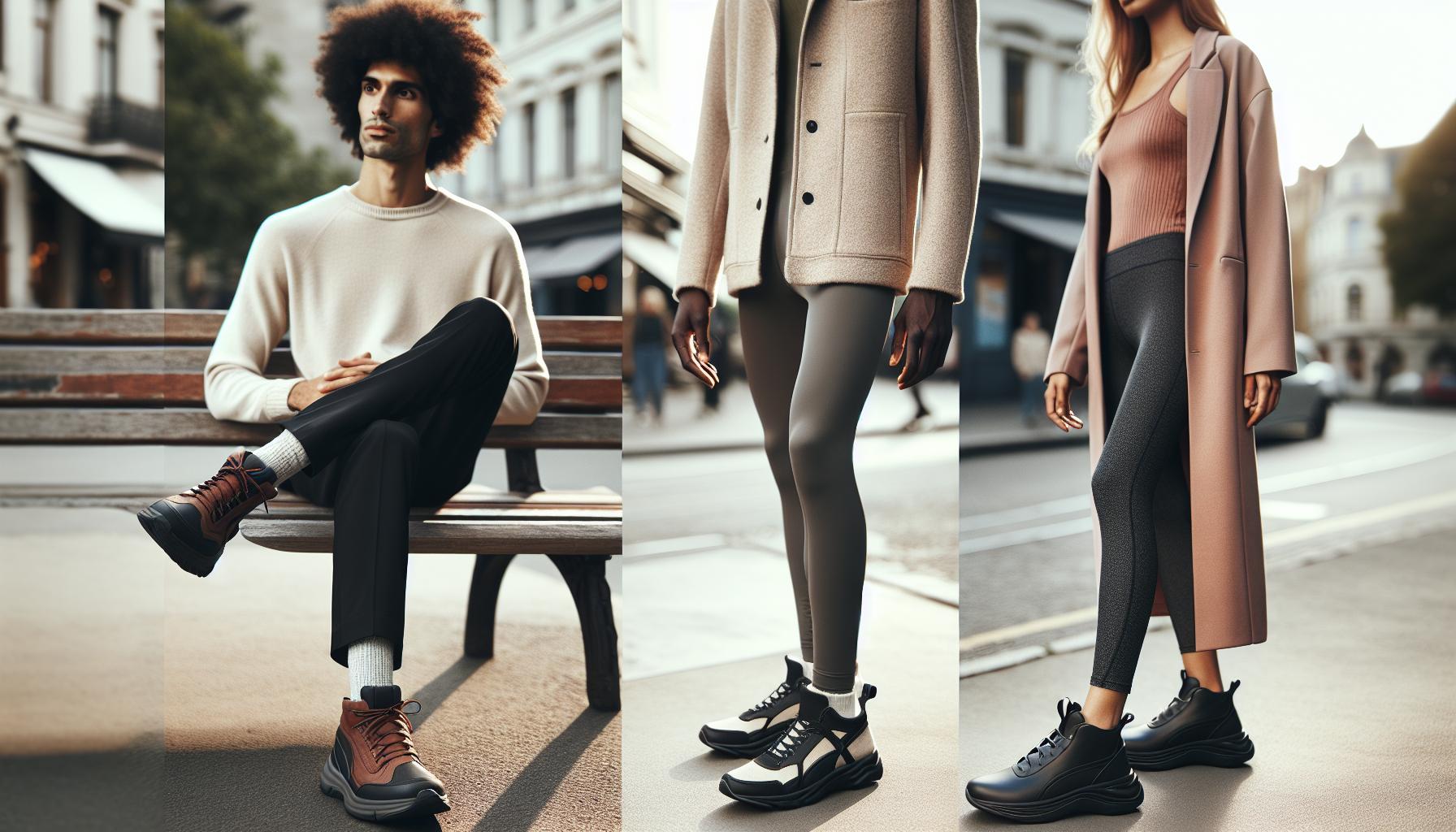
The fabric types used in leggings significantly influence not only their comfort but also the potential for skin irritation. While many women gravitate towards leggings for their flexibility and style, the choice of material can make a major difference, especially for those with sensitive skin. Synthetics, which include popular materials like polyester, nylon, and spandex, are often blended to create a form-fitting, stretchy garment ideal for active lifestyles. However, these materials can also contain chemical additives and finishes that may cause itching or rashes.
Natural fibers such as cotton or bamboo are gaining popularity as alternatives, offering increased breathability and reduced irritation risks. Cotton leggings, for example, permit air circulation and wick moisture away from the skin, essential for both workouts and casual wear. On the other hand, bamboo is not only eco-friendly but also possesses antimicrobial properties, making it an excellent choice for sensitive skin types. When opting for leggings, consider the fabric composition: a blend that includes natural fibers is often less likely to cause irritation compared to those predominantly made from synthetics.
Understanding Fabric-Induced Effects
To navigate the world of leggings effectively, it’s essential to understand how various fabrics interact with your skin. Here are some critical factors to keep in mind:
- Moisture Management: Fabrics that wick moisture can help prevent sweat buildup, which is key to avoiding irritation. Look for leggings labeled as “moisture-wicking.”
- Elasticity and Fit: Fabrics with good stretch retain their shape over time, but overly tight leggings can lead to chafing. Ensure a proper fit that allows free movement.
- Construction Quality: Seams and stitching play a big role in comfort. Flatlock seams minimize friction against the skin, reducing the risk of irritation.
To further enhance your experience, consider layering your leggings with breathable fabrics and avoid wearing them for extended periods if you’re prone to skin sensitivity. Care in washing is also crucial; using mild detergents and avoiding fabric softeners can help maintain the integrity of the fabric while ensuring it remains gentle on your skin.
Incorporating these practical tips into your wardrobe choices not only promotes comfort but also adds to your confidence as you transition effortlessly from gym sessions to everyday outings, embracing the stylish yet practical essence of athleisure wear.
How Skin Sensitivity Impacts Itching
Skin sensitivity can dramatically affect how leggings feel against your skin, especially when it comes to causing irritation or itching. Many individuals may find that even the most luxurious, soft fabrics lead to discomfort due to underlying skin conditions or sensitivities. For instance, conditions such as eczema or psoriasis can make skin react aggressively to certain materials or dyes, leading to an uncomfortable cycle of itching and irritation.
Moreover, environmental factors like heat and humidity can exacerbate skin sensitivity, increasing the likelihood of chafing and irritation. When wearing leggings, especially during exercise or daily errands, the combination of sweat and friction can trigger itchiness. This is particularly true for synthetic fabrics, which might be less breathable than natural alternatives. As you transition from a workout to a casual outing, the need for comfort cannot be overstated. A skin-friendly approach is vital, so always pay attention to how your skin reacts to different materials over time.
To empower yourself in this journey, consider choosing leggings with thoughtful attributes designed for sensitive skin. Look for those made with a seamless design to minimize chafing and select options that explicitly state they are hypoallergenic or free from harsh chemicals. Opting for leggings with natural fibers like organic cotton or bamboo not only supports breathability but can also enhance comfort throughout the day.
In cultivating a wardrobe that accommodates sensitive skin, you can enjoy the stylish and functional benefits of athleisure wear without the pesky side effects. Embrace this thoughtful approach, and you’ll find that transitioning your look from the gym to the street can be achieved while maintaining both comfort and style. Nurturing your skin should always come first, enabling you to feel confident in what you wear each day.
Practical Solutions for Itchy Legs
Experiencing itchiness while wearing leggings can be a frustrating issue, but there are several practical solutions you can incorporate into your wardrobe routine to enhance comfort and reduce irritation. Firstly, investing in quality leggings made from soft, breathable fabrics plays a crucial role. Look for materials like organic cotton, bamboo, or moisture-wicking synthetics that are designed to be gentle on the skin and provide adequate airflow. Additionally, selecting leggings with a seamless or flatlock stitching design can greatly reduce the risk of chafing and provide a smoother feel against your skin.
Fabric and Fit Considerations
Your choice of fabric is pivotal in preventing itchiness. Avoid leggings with high polyester or spandex content, as these can sometimes trap heat and lead to discomfort. Instead, opt for leggings that include elements like cotton or modal for a soft feel. Furthermore, ensure that your leggings fit properly. Choose the size that allows for some stretch without being overly tight, as tight-fitting garments can cause increased friction and sweat accumulation, both of which contribute to itching.
To minimize the potential for irritation, consider layering your leggings over moisture-wicking undergarments made from breathable materials. This combo not only adds a layer of comfort but also aids in moisture management, especially during vigorous activities.
Care Instructions for Comfort
Proper care of your leggings also contributes to their comfort level. Always follow washing instructions closely-use a gentle detergent and avoid fabric softeners that can leave residues harmful to sensitive skin. Washing in cold water and air-drying can help maintain fabric integrity and avoid the risk of irritation from dryer heat. This way, you not only prolong the life of your leggings but also mitigate any chemical exposure from laundry products.
As you navigate the athleisure landscape, remember that seeking comfort doesn’t have to sacrifice style. Brands like Lululemon offer stylish, high-performance leggings that cater to both aesthetics and practicality. Transitioning effortlessly from the gym to everyday routines is possible when you prioritize the right materials, fits, and care practices. Empower yourself with choices that accentuate both your style and your comfort, ensuring that you feel confident whether you’re hitting the studio or running errands.
Best Practices for Wearing Leggings Comfortably

Wearing leggings should be a comforting experience, not a source of itchiness. To maximize comfort and enjoyment, it’s essential to adopt a few best practices. First, pay close attention to the fit of your leggings. Opt for sizes that provide stretch without hugging too tightly, as overly snug leggings can increase friction and heat buildup, leading to skin irritation. A good guideline is to ensure you can move freely without feeling restricted-this is particularly important during workouts or even casual wear when you want all-day comfort.
Selecting the right fabric is equally crucial. As mentioned earlier, materials like organic cotton, bamboo, or specialized moisture-wicking fabrics can dramatically improve your comfort level. These options promote airflow and wick away sweat, reducing the likelihood of itching. Consider trying different brands and styles to find what works best for you-some brands, such as Lululemon, offer reliable options that combine performance with fashion, making them ideal for a smooth transition from the gym to your daily activities.
Another practical tip is to carefully layer your leggings. Wearing moisture-wicking undergarments beneath your leggings can create a barrier that keeps sweat away from your skin. This is especially beneficial during high-intensity workouts or hot days, where excessive moisture can lead to irritation. Remember to choose breathable fabrics for your undergarments as well, maintaining that focus on comfort and moisture management.
Finally, don’t underestimate the importance of care for your leggings. Pay attention to the washing instructions-minimize the use of harsh detergents and fabric softeners that can irritate sensitive skin. Instead, opt for a mild, gentle detergent and wash your leggings in cold water to help preserve the fabric’s integrity. Air-drying instead of using the dryer can also prolong their life and allow for a softer feel against your skin. By following these best practices, you can enjoy not only the versatility of leggings but also their comfort, making them a staple in your active wardrobe.
Leggings Care: How Washing Affects Your Skin
Washing your leggings may seem like a mundane task, but it plays a crucial role in maintaining both the lifespan of the fabric and the comfort of your skin. Fabric care is paramount; using aggressive detergents or improper washing techniques can lead to irritation and exacerbate itching. A quick refresher on how to treat your athleisure wear properly can save you from uncomfortable experiences and keep your leggings looking fabulous.
One of the most significant factors affecting your skin’s comfort when wearing leggings is the residue left from washing. Harsh detergents and fabric softeners can cling to fabrics and create a barrier that inhibits moisture-wicking properties, leading to sweat accumulation and irritation. To minimize this risk, choose a gentle, fragrance-free detergent and consider double-rinsing your leggings to ensure that any cleaning agents are thoroughly washed out. Cold water washing not only helps in preserving the elasticity and color of the fabric but also reduces the potential for skin reactions compared to hotter settings.
The of drying method can also make a substantial difference in how your leggings feel on your skin. Although the dryer provides convenience, it can break down the fabric’s fibers over time and diminish their ability to breathe, leading to itchiness. Instead, opt for air drying to maintain the integrity of the fabric while achieving a soft texture against your skin. Hanging them in a well-ventilated area will keep them fresh without compromising their fit or comfort.
Finally, ensure you’re regularly cleaning your leggings according to their individual care instructions. Items crafted from high-tech materials, like those used by popular brands such as Lululemon, often require specialized care to maintain their performance features. Consult the labels for specific washing recommendations, and remember that taking the extra time to care for your leggings not only enhances comfort but also prolongs the life of your favorite pieces. These steps will transform your athleisure wardrobe into a reliable arsenal of stylish and comfortable outfits, empowering you to conquer your day with confidence.
Tips for Choosing the Right Leggings

When it comes to selecting the perfect pair of leggings, comfort should never be sacrificed for style. The right leggings can enhance your confidence and support your active lifestyle, seamlessly transitioning from the gym to everyday wear. To ensure you pick leggings that feel as good as they look, consider these essential tips.
Know Your Fabric
Different materials offer various properties that can affect your comfort level. Look for leggings made from breathable, moisture-wicking fabrics like nylon and spandex, which help keep you dry during workouts while minimizing irritation. If you have sensitive skin, opt for natural fibers like cotton or bamboo blends that are softer and less likely to cause itching.
Fit is Key
The fit of your leggings greatly influences both comfort and performance. Choose a size that allows for movement without feeling constrictive or too loose. High-waisted styles can provide additional support and coverage, making them ideal for both active wear and casual outings. Always check the return policy when shopping online, as sizing can vary by brand, and you may need to try multiple pairs to find your perfect fit.
Consider Your Activities
Think about how you plan to wear your leggings. For high-intensity workouts, look for styles that offer compression and support, while for lounging or casual wear, softer and more relaxed fits may be preferable. Brands like Lululemon provide various options tailored to specific activities, ensuring versatility in your wardrobe.
Read Reviews and Ratings
Before making a purchase, take time to read customer reviews and ratings. Real experiences can reveal insights into the longevity of the fabric, how it holds up after washing, and whether it lives up to its claims. Online marketplaces often simplify this process, allowing you to compare different leggings and find the best options for your needs.
By taking these factors into account, you can confidently choose leggings that align with your lifestyle, giving you the freedom to embrace both fashion and comfort. Create a wardrobe that celebrates your individuality and empowers you to tackle any day or workout with style!
Alternatives for Sensitive Skin Types
For those with sensitive skin, finding the right leggings can feel like an uphill battle, but there are numerous alternatives that blend comfort, style, and functionality. It’s essential to prioritize materials that nourish and protect the skin while still allowing you to feel confident and stylish in your activewear. The right pairing of fabrics and fit can lead to an enjoyable experience, whether at the gym or out and about.
When selecting leggings for sensitive skin, consider opting for natural fibers such as cotton, bamboo, or modal. These materials are breathable and hypoallergenic, making them less likely to irritate the skin compared to synthetic options. Brands like Lululemon and Athleta offer lines that incorporate softer fabrics, specifically designed for individuals who may experience allergic reactions or irritation. Additionally, look for leggings with a seamless construction, as this minimizes friction and can prevent chafing.
In addition to fabric choice, pay close attention to how you style your leggings. Layering with longer tunics or lightweight jackets can provide coverage and minimize direct contact with your skin. Utilize breathable, moisture-wicking performance wear under your leggings to create a dual-layer effect, which can enhance comfort during workouts. Accessorizing with loose tops made from airy fabric can elevate your look while maintaining easy mobility.
Always remember to care for your leggings properly. Opt for gentle, skin-friendly detergents when washing, as harsh chemicals may remain embedded in the fabric, exacerbating skin irritation. Consider air drying your leggings whenever possible to preserve their softness and elasticity, which can help maintain comfort levels.
In summary, sensitive skin does not need to limit your choices in stylish and practical leggings. By selecting the right materials and practices, you can confidently embrace athleisure and transition seamlessly from fitness to fashion, ensuring that comfort never takes a backseat to style. Enjoy your journey into activewear and celebrate the confidence that comes with finding your perfect fit!
Athleisure Styling: Comfort Meets Fashion
Stylish and functional, athleisure has revolutionized how we perceive activewear, allowing for versatility that extends from gym sessions to casual outings. This trend means that the right leggings can be your wardrobe’s best ally, blending comfort and fashion effortlessly. With the potential to make your legs itch, however, being mindful of fabric choices and styling techniques is essential. By focusing on the perfect combination of aesthetics and practicality, you can navigate the world of athleisure without compromising skin comfort.
To elevate your athleisure game, consider layering your leggings with a chic long-line top or an oversized cardigan. These options not only provide a fashionable silhouette but also offer coverage that can reduce skin irritation. For a sporty yet polished look, a fitted tank paired with high-waisted leggings from brands like Lululemon can balance style and functionality perfectly. Additionally, transitioning from workout to weekend is a breeze by swapping your sneakers for sleek ankle boots or stylish slides, taking your outfit from functional to fabulous with ease.
Care instructions play a pivotal role in maintaining both the fabric’s quality and your skin’s health. Opt for natural, hypoallergenic detergents to wash your leggings, as harsh chemicals can remain in the fabric and exacerbate itching. Consider air-drying your garments, preserving their elasticity and fit while ensuring they stay gentle on the skin. This proactive approach not only prolongs the life of your clothing but keeps them soft and pleasant to wear, regardless of the occasion.
Investing in high-quality leggings doesn’t have to break the bank. Many budget-friendly brands offer stylish options crafted from breathable materials that are friendly to sensitive skin. Keep an eye out for sales at retailers like Aritzia or check out outlet stores for discounted prices on your favorite activewear lines. Cultivating a versatile wardrobe is about finding pieces that work for you-those that prioritize both comfort and fashion will always be in style, allowing you to embrace your active lifestyle with confidence.
When to See a Dermatologist for Itching
Experiencing persistent itching from wearing leggings can be more than just a minor annoyance; it can signal underlying skin issues that warrant professional attention. If you find yourself scratching frequently after wearing leggings, particularly if the itching continues even when you’re not wearing them, it’s crucial to pay attention to your skin’s response. Not all irritations are temporary; some may indicate a sensitivity or reaction to the materials used in your garments or underlying skin conditions.
When should you consider seeing a dermatologist? If the itching escalates and becomes unbearable or if it is accompanied by additional symptoms-such as redness, swelling, rashes, or blisters-it’s time to seek expert advice. These signs can suggest contact dermatitis or other skin disorders, which require diagnosis and tailored treatment. For instance, individuals with eczema or psoriasis may find that certain fabrics aggravate their conditions, making consultations with skin specialists vital for managing comfort and preventing flare-ups.
An effective approach to address this issue starts with documenting your symptoms. Keep a log of when the itching occurs, what clothing you wore, and any skin products you applied. This information can help your dermatologist pinpoint potential irritants or allergens. In some cases, they may recommend patch testing to identify specific sensitivities, guiding you toward better fabric choices for your leggings and providing personalized recommendations to ensure both comfort and style in your athleisure wardrobe.
Finally, remember that prioritizing your skin’s health is equally as important as looking fabulous in your athleisure outfit. Embracing stylish and functional leggings means also being aware of how they interact with your skin. Don’t hesitate to reach out for professional help when needed; your comfort should always come first as you navigate the vibrant world of activewear.
Frequently Asked Questions
Q: Why do leggings make my legs feel itchy?
A: Leggings can cause itching due to several factors like fabric composition, moisture retention, and potential allergens. Synthetic materials may irritate sensitive skin or lead to sweat-induced reactions. Exploring different fabrics and styles can help alleviate discomfort.
Q: What materials in leggings cause skin irritation?
A: Materials such as polyester, spandex, and nylon can cause skin irritation, especially for sensitive skin types. Look for natural fibers like cotton or bamboo, which are generally more breathable and less likely to cause itching.
Q: How can I reduce itching caused by wearing leggings?
A: To reduce itching, choose leggings made from breathable fabrics, wash them regularly with hypoallergenic detergent, and ensure they are dry before wearing. Layering with moisture-wicking fabrics underneath can also help manage skin irritation.
Q: Are there lotions or creams that can help with itchy legs from leggings?
A: Yes, using fragrance-free moisturizers or anti-itch creams with ingredients like aloe vera or hydrocortisone can soothe skin irritation. Applying these products before wearing leggings may provide a barrier against itching.
Q: When should I consider switching brands or types of leggings?
A: If you frequently experience itching despite following best practices for care and wear, it may be time to switch brands or explore different fabric types. Look for leggings specifically designed for sensitive skin or athleisure options with natural fibers.
Q: How does washing leggings affect skin irritation?
A: Proper washing can significantly affect skin health. Using harsh detergents or skipping fabric softeners can leave residues that irritate the skin. Always wash leggings in cold water and use gentle, fragrance-free detergents for best results.
Q: What should I do if leggings continue to irritate my skin?
A: If itching persists despite making changes, consult a dermatologist. They can diagnose any underlying skin conditions and suggest appropriate treatments or alternatives, ensuring comfort and style in your activewear choices.
Q: Can wearing leggings too long cause my legs to itch?
A: Yes, prolonged wear can trap heat and moisture against the skin, leading to irritation and itching. It’s advisable to take breaks and change into breathable clothing to maintain skin health and comfort.
Future Outlook
Thank you for exploring the reasons behind why leggings may cause itching and the solutions that can help. Remember, choosing the right fabric and understanding your skin’s sensitivity are crucial steps toward enjoying your favorite athleisure wear without discomfort. Don’t let minor irritations hold you back from pursuing your active lifestyle-take action today by checking out our guide on the best materials for leggings and exploring budget-friendly alternatives that offer both comfort and style. If you’re eager to enhance your athleisure game further, dive into our styling tips for seamless transitions from gym to street. For the latest in activewear recommendations, be sure to subscribe to our newsletter. Your comfort is our priority, and we’re here to support your journey. Share your thoughts in the comments below or connect with us on social media-we love hearing from you!