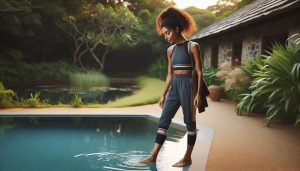
Did you know that the global athleisure market has skyrocketed, with yoga pants being a staple for both fitness and everyday wear? However, finding the perfect fit can often feel like a daunting task. In this DIY guide, we’ll empower you to create your own custom yoga pants tailored to your unique body shape and style preferences. Imagine slipping into a pair of leggings that not only complement your curves but also seamlessly transition from your yoga class to brunch with friends. By learning to make your own yoga pants, you’ll save money, enjoy a personalized fit, and express your creativity. So, roll up your sleeves and get ready to redefine your activewear wardrobe-it’s time to make yoga pants that make you feel confident, comfortable, and stylish every day!
Understanding the Best Fabric Choices for Yoga Pants
When crafting your own yoga pants, the fabric choice is crucial for ensuring both comfort and performance. The right fabric not only influences how your pants feel during exercise but also how they transition to everyday wear. High-performance fabrics will stretch, retain their shape, and wick moisture away from the skin, making them ideal for yoga and similar activities. For instance, materials like spandex and nylon are popular for their durability and elasticity, while polyester blends can offer breathability along with a soft hand feel that you’ll love wearing throughout the day.
Key Fabric Types for Your DIY Yoga Pants
When deciding on fabrics, consider these options that are commonly chosen for yoga pants:
- Spandex (Lycra): Known for its exceptional stretch and recovery, spandex is often blended with other fabrics to provide maximum flexibility.
- Nylon: Lightweight and durable, nylon is moisture-wicking and breathable, making it an excellent choice for activewear.
- Polyester: Often used in blends, polyester helps to maintain the structure of the garment while keeping it lightweight.
- Bamboo Fabric: Eco-friendly and incredibly soft, bamboo offers natural moisture-wicking properties and is gentle on the skin.
- Cotton Spandex Blend: Ideal for casual wear, this blend combines the comfort of cotton with the stretch of spandex, perfect for a relaxed fit.
Choosing fabric with the right weight and thickness can also dramatically change the fit and feel of your pants. Light-weight fabrics are great for hot yoga sessions, while heavier options can provide warmth and support, particularly in cooler climates. Think about the activities you plan to engage in and the environments you’ll be in to select the best fabric for your needs.
Considerations for Style and Comfort
Versatility is the name of the game in athleisure. Fabrics that hold their shape well are fantastic for transitions from the gym to casual outings. Look for fabrics that also offer four-way stretch, which allows for maximum movement in any direction without losing their shape. This means you can flow through your yoga poses with confidence and seamlessly wear your pants throughout your day-paired with a stylish top or jacket, you’ll feel empowered and chic.
In addition, color and pattern can reflect your personal style! Opt for vibrant prints or classic colors, but ensure that whatever you choose aligns with the fabric’s performance qualities. With the right fabric, each pair of DIY yoga pants can be as unique as you are, embodying both style and function in your modern lifestyle.
Essential Tools for Your DIY Yoga Pants Project
Creating your own yoga pants is an empowering venture that combines creativity and comfort, and having the right tools at your disposal can make all the difference. As you embark on this DIY journey, it’s essential to gather various tools that ensure precision in your measurements, cuts, and sewing techniques, leading to a professional-looking finish that reflects your personal style.
Start with the basics: you’ll need a reliable sewing machine equipped for stretchy fabrics, as this will allow you to sew with ease and achieve an authentic activewear finish. A pair of sharp fabric scissors is crucial for cutting your fabric accurately and avoiding fraying. Consider investing in a rotary cutter for curved edges, as this tool can provide smooth, clean cuts essential for your design. Along with these, a measuring tape is indispensable. It will help you take accurate body measurements to ensure that your custom pants fit like a second skin.
When it comes to sewing, selecting the right needles and threads is key. Ballpoint needles are recommended for knit fabrics; they slide between fibers rather than cutting through them, preventing snags. Combine these with strong, elastic threads (such as polyester or nylon) that can stretch with your fabric without breaking. Additionally, fabric pins or clips will keep the layers in place while you sew, ensuring that the seams are not only neat but also aligned perfectly.
Lastly, don’t overlook the importance of a good iron and ironing board. Pressing seams open as you sew can significantly enhance the professionalism of your finished product. It’s also beneficial to have a fabric marker or chalk for marking cutting lines and notches, making the entire process smoother and more intuitive. With these essential tools, you’ll be well-equipped to tackle your DIY yoga pants project, allowing your athleisure style to shine both on the mat and beyond.
Step-by-Step Guide to Measuring for the Perfect Fit

To create yoga pants that fit as well as they look, mastering the art of measurement is crucial. Taking your own measurements may seem daunting, but it’s an empowering skill that opens the door to a custom fit that complements your body type perfectly. The right measurements can help you enjoy unparalleled comfort and style, transitioning effortlessly from mat to everyday wear.
Start by gathering your supplies: a soft measuring tape, a notebook to jot down your measurements, and a mirror for proper positioning. Measuring yourself can be done solo, but having a friend assist can make the process easier and more accurate. Begin with your waist measurement, wrapping the tape around your natural waist-usually located just above your belly button. Ensure it’s snug but not too tight, allowing for a comfortable fit. Next, measure your hips at the fullest part, ensuring the tape remains parallel to the floor. This is particularly important for yoga pants, where you want a fitted but flexible design.
Once you have your waist and hip measurements, it’s time to gauge your inseam. Stand straight, and measure from the top of your inner thigh down to your ankle. This dimension is essential for determining the right length of your pants, avoiding the common issue of pants being too short or long. For those who prefer a cropped style, remember to adjust this measurement accordingly.
Finally, consider additional adjustments based on your personal style and preferences. If you’re looking to create a high-waisted design, add a couple of inches to your waist measurement for extra coverage. Always take into account the fabric’s stretchiness, especially if you’re working with materials like spandex or jersey, which offer flexibility. These basic measurements will serve as the foundation for drafting your pattern, ensuring that your final product will be a stylish reflection of your individuality while offering maximum comfort for both athletic activities and casual outings.
Cutting Techniques for Optimal Comfort and Style

Cutting your yoga pants fabric with precision is key to achieving both comfort and style. When it comes to athleisure, a well-cut pair of yoga pants can transition seamlessly from the gym to casual outings. The right cutting techniques can enhance fit, provide ease of movement, and ensure that your custom pieces feel as good as they look.
Before you start cutting, lay your fabric flat on a large, clean surface. It’s important to prewash and dry your fabric to prevent shrinking after your pants are made. Consider using a rotary cutter for smooth, clean lines, along with a cutting mat to keep your work area neat. If you’ve opted for stretchy fabric like spandex or jersey, ensure that you cut with the stretch direction in mind-this usually runs parallel to the selvage edge. Cutting against the stretch can lead to tighter, less comfortable pants.
When marking your pattern, use tailor’s chalk or fabric markers to outline the shape of your pants. Make sure to leave seam allowances-usually around ¼ to ½ inch-so you have enough fabric for sewing without running the risk of fraying edges. For yoga pants, you might want to experiment with different lengths; consider adding additional length for a high-waisted style or cutting to a cropped length for a summer-ready look. Remember that the angle of the leg can also greatly affect fit and style; a slightly wider cut at the leg opening can make your yoga pants feel more relaxed and flowy, perfect for a casual day out.
Tips for Cutting Yoga Pants:
- Always cut on a flat surface to ensure precision.
- Use a rotary cutter for a clean, straight edge.
- Mark your fabric clearly with tailor’s chalk.
- Consider the fabric stretch direction to ensure movement freedom.
By honing your cutting techniques, you can create yoga pants that not only provide optimal comfort during workouts but also enhance your everyday style. The perfect cut sets the foundation for an impressive DIY project and showcases your unique flair, empowering you to wear your handmade garments with pride. Whether you’re pairing your new pants with a fitted tank or an oversized sweater, the confidence you gain from wearing a piece crafted by your own hands will shine through.
Sewing Methods: Mastering Your DIY Yoga Pants
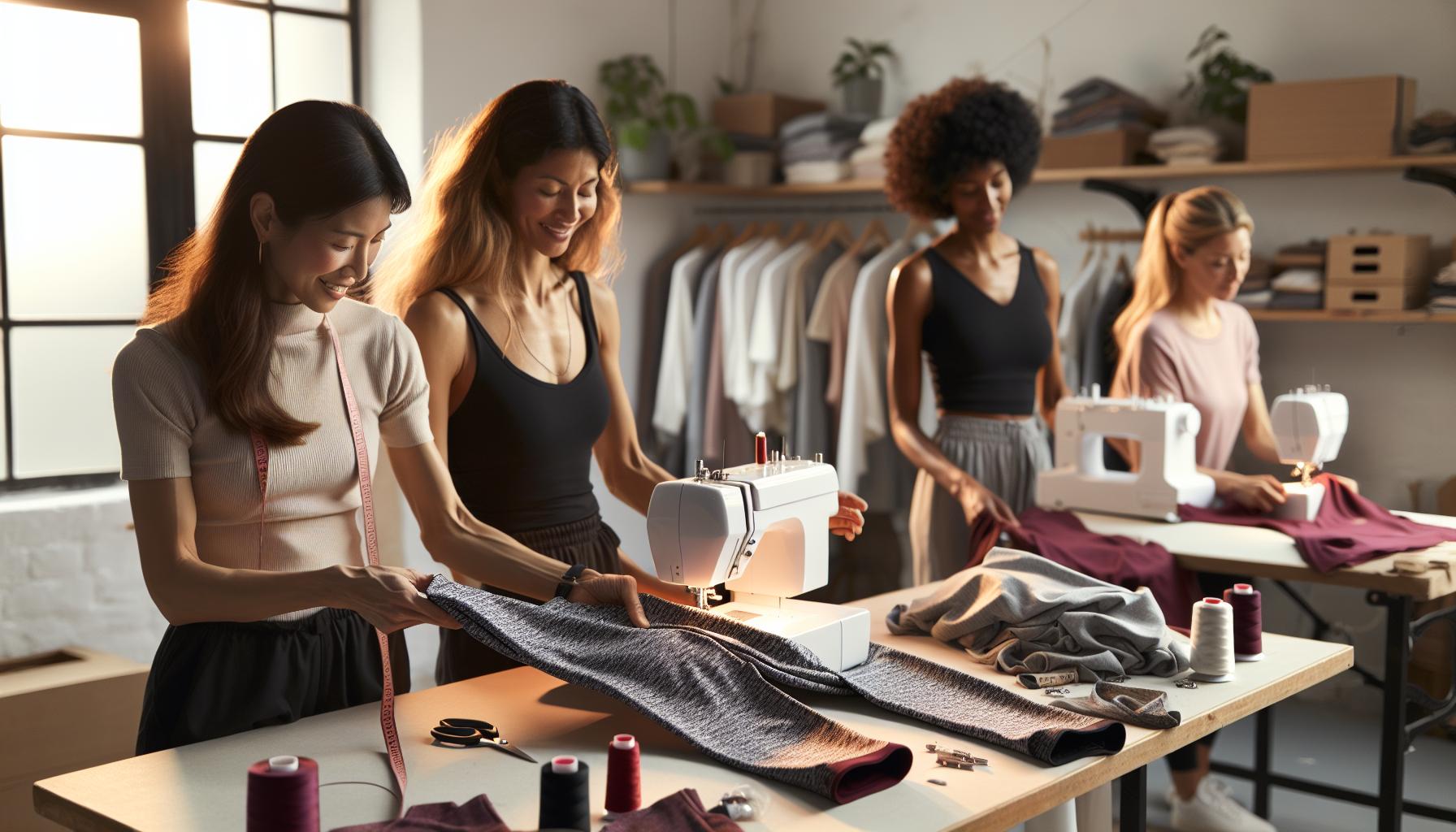
Sewing your own yoga pants can be an incredibly rewarding experience. Not only do you get to customize the fit and style to your personal preferences, but you also gain an understanding of your garment’s construction that ultimately enhances comfort and wearability. To ensure success in your DIY yoga pants project, mastering the right sewing methods is essential for achieving a professional and polished look.
Start by using a sewing machine with a stretch stitch setting or a serger, which can give your seams the flexibility they need for movement. This is crucial because yoga pants are designed for activity and require seams that can stretch without breaking. When sewing the waistband, consider using a fold-over waistband for a sleek finish. A wide elastic band inside the waistband will not only provide extra support but also enhance your comfort during workouts or casual outings. Make sure your elastic is cut to fit your waist snugly but not tightly to avoid discomfort.
Key Sewing Techniques to Use:
- Double Stitching: For added durability, especially in areas that bear more tension, like the crotch seams or sides.
- Flatlocking: A method that creates a flat seam and reduces bulk, ideal for yoga pants where a smooth finish is desired.
- Stretch Needle: This type of needle is specifically designed for knit fabrics, ensuring less skipped stitches and a smoother sewing experience.
As you sew, take your time to pin the fabric securely in place before stitching. This will ensure that your pieces remain aligned, providing a neat and even finish. Don’t be afraid to try different stitch types to find the one that works best for your fabric and personal aesthetic. Testing on fabric scraps can be invaluable in this process.
Once your yoga pants are sewn, you can enhance their look with personal touches, such as adding pockets for functionality or experimenting with color-blocking techniques that mirror athleisure trends from brands like Lululemon. Remember, the goal is to not only create a garment that performs well during physical activities but also seamlessly transitions into your everyday wardrobe. For example, pair your custom yoga pants with an oversized sweater and stylish sneakers for an effortless streetwear vibe.
Incorporating these sewing methods will empower you to craft yoga pants that champion both style and comfort, allowing you to move with confidence, whether you’re in the studio or out with friends.
Adding Personal Touches: Customizing Design and Fit

Creating your own yoga pants gives you the unique opportunity to express your personal style while ensuring the perfect fit that suits your body and lifestyle. The beauty of DIY is in the details, and small adjustments can transform a simple design into a standout piece that reflects your individuality and fits seamlessly into your wardrobe. Whether it’s experimenting with colors, patterns, or functional elements like pockets, there’s plenty of room for creativity in your yoga pants project.
One simple yet impactful way to customize your yoga pants is by incorporating different fabric patterns or colors. Try using a solid color for the main body and adding bold prints or contrasting colors as accents on the sides or waistband. This not only makes your pants visually appealing but also allows you to express your style. For instance, color-blocking techniques can mimic the trendy designs seen in athleisure brands like Lululemon, giving your creation a professional touch while maintaining its uniqueness.
Additionally, consider the practicality of your design. Adding pockets, for example, enhances functionality, making your yoga pants more versatile for everyday wear. It’s great to stash your essentials like keys or a phone when you’re heading to the gym or running errands. For pockets, opt for side seam pockets that blend seamlessly into the design or patch pockets for a bit of flair. You can also play with the waistband style; a high-waisted design not only compliments your silhouette but also provides extra support during workouts, making them a fashionable and comfortable choice.
Finally, don’t shy away from embellishments that can elevate your custom yoga pants. Adding elements such as decorative stitching, fabric appliqués, or even embroidery can infuse your personality into your activewear. As you consider these personal touches, keep in mind that the ultimate goal is to create pieces that seamlessly transition from gym to street. Pairing your custom-designed yoga pants with a chic, oversized sweater or a stylish cropped jacket can turn your athletic look into a fashionable day-out ensemble, perfect for brunch dates or casual outings.
Embrace the journey of DIY fashion, and you’ll not only be crafting unique yoga pants but also a wardrobe that perfectly embodies who you are, paving the way for confident and stylish living.
Tips for Styling Yoga Pants from Gym to Street
Transforming your yoga pants from a workout essential to a stylish outfit for everyday outings is easier than you might think. With a few thoughtful styling choices, you can celebrate the comfort and practicality of your DIY creation while turning heads in the process. The versatility of yoga pants allows them to seamlessly fit into various settings, whether you’re heading to brunch or running errands, highlighting your personal style and flair.
To elevate your athleisure game, consider pairing your yoga pants with chic layering pieces. An oversized denim jacket or a long cardigan can add dimension to your look, providing that effortlessly cool vibe. Choosing the right top is equally essential; opt for fitted tees or crop tops to balance the relaxed fit of your pants. For a more polished style, a tailored blazer can beautifully contrast the casual nature of yoga pants, making it suitable for informal meetings or coffee dates.
Accessorizing is where you can truly express your individuality. A statement belt bag not only adds function but also a trendy element to your outfit. Layering necklaces or using bold earrings can complete your look and draw attention to your outfit, maintaining that stylish allure while still being comfortable. Footwear selection is equally impactful-stylish sneakers can keep the casual vibe, while ankle boots or trendy slides can instantly elevate your ensemble for a more sophisticated appearance.
When it comes to care and maintenance, ensuring your DIY yoga pants stay in pristine condition will help them transition seamlessly from gym to street. Wash them in cold water and avoid fabric softeners to preserve elasticity. Hanging them to dry rather than using the dryer can also help maintain their shape. By paying attention to these details, you ensure that your unique style remains fresh and vibrant, ready for your next adventure.
Feeling confident in how you wear your yoga pants, whether for workouts or outings, is key. Embrace the journey of athleisure fashion, knowing that your choices can reflect your unique style and comfort needs, ultimately empowering you to transition smoothly from gym to any setting with ease and flair.
Care and Maintenance: Keeping Your Yoga Pants Like New
The longevity of your DIY yoga pants can greatly depend on how well you care for them. Proper maintenance not only preserves their appearance but also ensures they remain functional and comfortable, allowing you to transition seamlessly from the gym to everyday outings. Here are some essential tips to keep your yoga pants looking like new:
Washing Instructions
To maintain the elasticity and freshness of your fabric, always wash your yoga pants in cold water. Hot water can damage the fibers and cause them to lose their shape. It’s crucial to avoid fabric softeners, as they can leave a residue that diminishes breathability, leading to unwanted odors or a less comfortable fit. Instead, consider using a gentle detergent specifically designed for activewear, which will effectively clean without compromising the fabric’s integrity.
Drying Techniques
Once washed, the drying method is equally important. Rather than tossing your yoga pants into the dryer, opt for air drying by hanging them up or laying them flat. The heat from the dryer can cause shrinkage and weaken the stretch in your fabric, reducing their comfort and fit. By air drying, you can maintain the original shape and sturdiness of your pants, allowing them to last longer through repeated wear.
Storage Tips
How you store your yoga pants can also impact their lifespan. Avoid folding them in a way that creates creases; instead, hang them or store them flat. This will prevent any unwanted wrinkles and help maintain their shape. Additionally, keeping them away from direct sunlight will prevent discoloration, ensuring that your custom design stays vibrant and appealing.
By incorporating these simple care techniques into your routine, you can keep your DIY yoga pants in top condition, ready to serve you during workouts or as stylish athleisure wear. Embracing an active lifestyle doesn’t mean sacrificing style; with the right maintenance, your unique creations can remain your go-to choice for years to come.
Budget-Friendly Alternatives: DIY on a Dime
Creating yoga pants doesn’t have to break the bank-there are plenty of budget-friendly alternatives that can help you achieve the perfect fit and style without spending a fortune. With a little creativity and resourcefulness, you can transform affordable materials into stylish athleisure wear that feels great and looks even better. Whether you’re a seasoned DIYer or a newcomer to sewing, these tips and techniques will empower you to craft your own unique pieces that can transition seamlessly from the gym to everyday settings.
One of the most effective ways to save costs is to look for materials at local thrift stores or clearance sections of fabric shops. Many times, you can find remnants of high-quality stretchy fabric, like spandex or jersey, at significantly reduced prices. Don’t overlook items like old leggings or workout tops, which can be repurposed into trendy custom yoga pants with some simple pattern adjustments. Crafting from recycled garments not only keeps your budget in check but also contributes to sustainable fashion-a win-win for both your wallet and the planet.
When it comes to patterns, consider using free online resources. Many sewists share their patterns for yoga pants at no cost, allowing you to experiment without the usual pattern costs. Additionally, you can customize these free patterns to better fit your personal style or body shape. Look for tutorials that guide you through the measuring and cutting process while providing tips for adjusting sizes, ensuring a perfect fit every time.
To style your DIY yoga pants, think versatility. Pair them with an oversized tee or a chic crop top for gym sessions or throw on a stylish jacket and trendy sneakers for outings with friends. By investing a little time into your DIY project, you’ll gain fabulous pieces that celebrate both comfort and style, making it easy to transition from workout wear to everyday outfits. Embrace the thrill of DIY to create unique athleisure clothing that empowers you to express your individuality without overspending.
Sizing Insights: How to Achieve Your Best Fit
Getting the perfect fit for your DIY yoga pants is not just about measurements; it’s about understanding your body and how different fabrics and designs can enhance your comfort and style. Each body is unique, so embracing your shape and knowing how to accentuate it is foundational. One crucial aspect of achieving your ideal fit is selecting the right size based on your measurements, which includes the waist, hips, and inseam. To ensure accuracy, wear fitted clothing while measuring and use a flexible measuring tape to avoid any miscalculations.
When you’re ready to draft or select your pattern, it’s essential to understand how sizing varies among brands. For instance, Lululemon is known for its tailored designs, which often fit snugly without sacrificing comfort. If you’re adjusting an existing pattern, consider tweaking the hip and thigh areas, as these sections can significantly affect how the pants move during activities. Customization is key; adding a little extra room in the waistband can turn a snug fit into something more accommodating for all-day wear.
As you consider styling your yoga pants, think beyond your workout. Pairing your DIY creation with a flowy tunic or layering it with a chic bomber jacket offers not just versatility but also confidence in your style. You might choose to play with lengths-cropped styles offer a modern edge, while full-length pants provide timeless appeal. Experimenting with different fabrics can also change the fit dynamically; for example, a high-stretch jersey fabric will hug your curves better than a firmer fabric might.
Finally, don’t shy away from seeking advice from online sewing communities or fitness enthusiasts who share their experiences with fitting yoga pants. With a little patience and practice, you can create custom pieces that not only fit like a dream but also transition flawlessly from yoga mat to street style, empowering you to express your individuality with every wear.
Troubleshooting Common DIY Yoga Pants Issues
Navigating the world of DIY yoga pants can be both exciting and a tad frustrating, especially when issues arise that disrupt your creative flow. Whether you’re dealing with fabric pilling, unwanted sagging, or uncomfortable seams, addressing these common problems can transform your handmade yoga pants from a project into a wardrobe staple. Understanding these pitfalls will empower you to craft pieces that not only reflect your unique style but also perform beautifully in both workouts and everyday settings.
One prevalent issue is waistband slipping. This can happen when the waistband is not properly fitted or if the fabric lacks sufficient elasticity. To combat this, consider using a stronger elastic that can handle the stretch without losing its shape. A good rule of thumb is to double-check your measurements during the cutting phase and ensure that the waistband is snug yet comfortable. Another helpful tip is to reinforce the waistband with a topstitch, which will help keep it in place.
Another frequent dilemma is fabric distortion, where your pants might stretch out or lose their shape after a few wears. This often occurs when using fabric blends that are too flimsy or when the stitching isn’t done correctly. To preserve the fit, opt for high-quality, high-stretch materials that maintain their integrity over time, like a blend of polyester and spandex. It’s also beneficial to prewash your fabric to shrink it and identify any color bleeding before you begin sewing.
For those dealing with chafing, especially in high-friction areas like the inner thighs, consider adding flatlock seams. These seams lay flat against the skin and minimize irritation, making them ideal for yoga or running. Additionally, experimenting with different fabric blends that include moisture-wicking properties can enhance comfort, allowing you to wear your DIY creations from the gym to brunch without a hitch.
Lastly, if you find your yoga pants are too loose or too tight in certain areas after you’re done sewing, don’t fret! Adjusting fit is part of the DIY journey. You can easily cinch a waistband or add panels to the legs for a customized look. Additionally, involving yourself in online sewing communities can provide invaluable insights. Fellow DIYers often share their experiences and solutions, which can be incredibly beneficial as you refine your skills.
By addressing these common DIY yoga pants issues with confidence and practical solutions, you can create pieces that feel great and look fabulous, seamlessly transitioning from your mat to the street and beyond. Embrace the process, celebrate your unique flair, and enjoy the comfort of your custom creations!
Inspiring Examples: DIY Yoga Pants Success Stories
Creating your own yoga pants isn’t just a fun and creative endeavor; it also allows you to showcase your unique style and comfort preferences that store-bought options often can’t provide. Many DIYers have found success in crafting yoga pants that not only fit perfectly but also transition seamlessly from workout sessions to casual outings. These inspiring stories highlight how individuals have transformed their visions into practical athleisure pieces.
One standout example is the story of Emily, a novice sewer who transformed her hobby into a passion by crafting custom yoga pants. She started with a simple pattern, opting for a breathable, stretchy fabric that matched her active lifestyle. With a few adjustments to the design, including higher waistbands and stylish side panels, Emily created yoga pants that complemented her silhouette and allowed her to move freely during workouts. Today, she confidently wears her creations not just at the gym but also paired with oversized sweaters and chic sneakers for brunch with friends. Emily’s journey emphasizes that with a bit of creativity and perseverance, anyone can create stylish and functional athleisure wear.
Another inspiring story comes from Jessica, who faced challenges with finding activewear that fit her diverse body type. After several unsuccessful shopping trips, she decided to take matters into her own hands. Utilizing online resources, she learned about fabric types and the importance of measuring accurately. Jessica used a spandex blend that offered both stretch and durability, ultimately designing a pair of yoga pants with mesh cutouts for breathability. The result? A pair of yoga pants that fit like a glove and showcased her unique flair. Not only did she gain a newfound confidence in wearing her creations, but she also sparked an interest in teaching others to embrace their own DIY fashion journeys.
By taking inspiration from these success stories, you too can embark on the journey of creating your own yoga pants. With each stitch, remind yourself that your style can truly reflect your identity, empowering you to feel confident in your skin-whether on the yoga mat, at the gym, or enjoying a casual day out. Surround yourself with supportive communities, share your progress online, and don’t hesitate to experiment with fabrics and styles. Ultimately, DIY yoga pants are not just about fitness; they are about personal expression and a testament to your creative journey.
Q&A
Q: How do I choose the right fabric for DIY yoga pants?
A: For DIY yoga pants, opt for stretchy, breathable fabrics like spandex, cotton blends, or moisture-wicking materials. These ensure comfort and flexibility during movement. Check the section on “Understanding the Best Fabric Choices for Yoga Pants” for detailed recommendations on fabric types and their benefits.
Q: What tools do I need to make my own yoga pants?
A: Essential tools for making yoga pants include a sewing machine, fabric scissors, measuring tape, pins, and a basic sewing kit. Refer to the section on “Essential Tools for Your DIY Yoga Pants Project” to discover more about each tool and its importance.
Q: Can I customize the design of my yoga pants?
A: Yes, you can customize your yoga pants! Consider changes like adding pockets, varying waistbands, or choosing unique prints. The section “Adding Personal Touches: Customizing Design and Fit” provides ideas for personalization to make your pants unique to your style.
Q: How can I troubleshoot sewing issues with my DIY yoga pants?
A: Common sewing issues like puckering or uneven seams can often be resolved by adjusting your tension settings or using a walking foot. For detailed troubleshooting tips, check the section on “Troubleshooting Common DIY Yoga Pants Issues” for practical solutions.
Q: What should I do if my DIY yoga pants don’t fit properly?
A: If your yoga pants don’t fit well, make minor adjustments like taking in the seams or altering the waistband. Ensure you measure accurately in the first place, as outlined in the “Step-by-Step Guide to Measuring for the Perfect Fit” section, which can help prevent fit issues.
Q: How do I care for my DIY yoga pants to keep them looking new?
A: To maintain your DIY yoga pants, wash them in cold water and air dry to prevent shrinkage and fading. Detailed care instructions can be found in the “Care and Maintenance: Keeping Your Yoga Pants Like New” section to help extend their life.
Q: When is the best time to make yoga pants for myself?
A: The best time to make yoga pants is when you have a few uninterrupted hours to focus on cutting and sewing. Weekends or a day off work can provide the necessary time to complete your project without rushing.
Q: How can I style my DIY yoga pants for everyday wear?
A: To style your DIY yoga pants for everyday wear, pair them with a chic oversized sweater or a fitted top and sneakers. Check the “Tips for Styling Yoga Pants from Gym to Street” section for more ideas on transitioning your pants from workout wear to fashionable outfits.
The Conclusion
Now that you’ve mastered the art of making your own yoga pants for the perfect fit, it’s time to embrace your creativity and showcase your unique style! Remember, custom athleisure doesn’t just offer comfort; it empowers you to express yourself, whether at the gym or on the street. If you found this guide helpful, check out our tips on transitioning from workout gear to everyday outfits and explore budget-friendly options that don’t skimp on style.
Don’t forget to subscribe to our newsletter for more DIY fashion tips and exclusive offers! Have questions or want to share your creations? We’d love to hear from you in the comments below. Keep experimenting, stay active, and let your individual style shine effortlessly through your athleisure wardrobe! Your journey into custom activewear is just beginning-explore your options and elevate your everyday look today!