When it comes to yoga pants, the right fabric can elevate your practice and everyday life. With activewear evolving into essential athleisure, knowing what materials to choose is crucial. From moisture-wicking to stretchy blends, the fabric affects comfort, durability, and style. Whether you’re nailing your downward dog or heading out for coffee, the right yoga pants can boost your confidence and performance. Dive into understanding the pros and cons of each material, ensuring you make informed choices that align with your lifestyle. Discover how to pair your favorite leggings with everyday outfits and keep them looking fresh, so you can seamlessly transition from studio to street. Let’s explore the best fabrics for yoga pants that embrace both functionality and flair.
What Are the Best Fabrics for Yoga Pants?
When it comes to yoga pants, the fabric you choose plays a crucial role in both performance and comfort. The right materials can enhance your workout by allowing for maximum movement while also providing the softness and breathability you need. With the growing popularity of athleisure wear, selecting the best fabrics not only impacts your practice but also extends to your daily lifestyle. Understanding these materials can transform your yoga experience, making it enjoyable both on and off the mat.
Key Benefits of Different Materials
Different fabrics serve distinct purposes-many offer unique benefits such as moisture management, stretchability, and durability. For instance, natural fibers like cotton provide a soft touch against the skin but may lack elasticity and quick-drying capabilities. On the other hand, synthetic blends like polyester offer excellent stretch, moisture-wicking properties, and breathability, making them truly functional for high-intensity workouts.
- Cotton: Soft and comfortable but tends to retain moisture.
- Polyester: Durable, moisture-wicking, and quick-drying; great for heated classes.
- Nylon: Lightweight and stretchy, ideal for active movements.
- Spandex/Lycra: Provides exceptional stretch, necessary for various poses.
As sustainability emerges as a significant consideration, many brands are developing yoga pants made from recycled materials or organic fibers, appealing to eco-conscious consumers. Fabrics like bamboo and hemp not only boast environmental benefits but also naturally resist odors and have built-in moisture-wicking qualities.
Ultimately, the best fabric for your yoga pants depends on your specific needs, preferences, and the kind of practice you engage in. Whether you prefer luscious fabrics for a gentle flow or technical materials for a vigorous workout, it’s about finding the balance between comfort and function that empowers you to move freely.
Key Benefits of Different Materials
When you’re on the hunt for the perfect yoga pants, understanding the is essential. The right fabric can elevate your practice and enhance your everyday style. Whether you’re prepping for a vigorous workout or transitioning to a chic athleisure look, knowing what each material brings to the table allows you to make informed choices.
Natural fibers, like cotton, are celebrated for their softness and comfort against the skin, making them an appealing choice for gentle yoga sessions or lounging. However, it’s important to acknowledge that cotton tends to retain moisture, potentially leaving you feeling damp during more intense workouts. In contrast, synthetic fabrics like polyester and nylon are designed for high performance. Polyester is recognized for its durability and moisture-wicking properties, drying quickly to keep you comfortable through sweaty classes. Nylon, on the other hand, boasts exceptional stretch and breathability, accommodating your every move with ease.
Sustainability is also a growing concern, and many brands are responding by offering yoga pants made from recycled materials or organic fibers. Fabrics like bamboo and hemp not only reduce environmental impact but are also naturally moisture-wicking and odor-resistant, making them ideal for both practice and daily wear. This shift toward eco-friendly materials reflects a larger movement within athleisure, marrying style with environmental consciousness.
Ultimately, the best fabric for your yoga pants depends on your unique needs and lifestyle. Consider your typical workouts and personal preferences; whether you’re prioritizing softness, stretch, or sustainability, understanding the strengths of these materials empowers you to choose styles that look great and perform even better.
Common Fabrics Used in Activewear
The materials used in activewear, especially yoga pants, are integral to both performance and comfort. Different fabrics cater to distinct workout environments and personal preferences, enabling you to make style choices that resonate with your activities and lifestyle. Here’s a closer look at the prominent fabrics found in activewear, enabling you to choose those that align best with your needs.
- Cotton: Renowned for its softness, cotton is often a go-to for leisurely yoga sessions and casual wear. However, while it offers breathability and comfort, it can retain moisture, making it less suitable for high-intensity workouts where you might sweat profusely.
- Polyester: This synthetic fabric shines in performance settings due to its moisture-wicking capabilities. Polyester dries quickly, keeping you comfortable during sweaty sessions. Brands like Lululemon incorporate polyester not only for function but also for stylish, sleek designs that transition effortlessly from gym to street.
- Nylon: Known for its exceptional stretch and durability, nylon is often blended with other materials to enhance flexibility and breathability. This fabric supports a full range of motion, making it ideal for dynamic practices like Vinyasa or Pilates, where movement fluidity is essential.
- Spandex (or Lycra): Typically added as a percentage to other fabrics, spandex provides the necessary elasticity and shape retention that yoga pants require. The inclusion of spandex ensures that leggings hug your body without losing their form, offering both support and comfort.
- Sustainable Fabrics: Climate-conscious consumers can delight in the rise of sustainable materials such as recycled polyester, bamboo, and organic cotton. These options not only reduce environmental impact but also bring moisture-wicking and odor-resistant qualities, making them versatile for both active and everyday wear.
Choosing the right mix of these fabrics can enhance your yoga journey while allowing for stylish versatility. The blend of cotton for comfort, combined with the performance attributes of polyester and spandex, can create the ideal pair of yoga pants that work seamlessly from your mat to your daily activities. When selecting your next pair, consider factors like the intensity of your workouts, the climate in which you’ll be practicing, and whether you want to make an eco-friendly choice. This thoughtful approach to fabric selection empowers you to express your personal style while maximizing comfort and functionality in your activewear wardrobe.
Pros and Cons of Cotton Yoga Pants
Cotton yoga pants have a dedicated following for good reason-they embody comfort and breathability, making them a favorite for anyone seeking leisure and casual wear. The inherent softness of cotton is ideal for gentle yoga sessions, where movements are slow and mindful, allowing you to focus on your practice without distraction. This natural fiber is often less irritating on the skin, which can be a significant advantage during longer sessions where sensitivity might be an issue.
However, while cotton excels in comfort, it has its drawbacks in the context of high-intensity workouts or hot yoga. One of the main disadvantages is its moisture retention. Unlike synthetic materials that wick sweat away from the body, cotton tends to absorb moisture, which can leave you feeling heavy and damp. Once cotton becomes soaked, it takes longer to dry, which might hinder your performance if you’re sweating profusely. If your practice is inclined towards dynamic styles or involves a higher heart rate, you may find cotton yoga pants less than ideal.
That said, cotton yoga pants can still hold their ground in terms of style versatility. They can easily transition from your yoga class to casual outings or errands, especially when paired with chic athleisure tops or layered under a stylish long jacket. Investing in a quality pair can provide that perfect blend of comfort and casual elegance, especially for those who appreciate a laid-back yet stylish appearance.
For those interested in affordability, many brands offer budget-friendly cotton options, allowing you to explore different fits and styles without breaking the bank. Ultimately, the choice of cotton yoga pants should align with your personal practice style and how often you will wear them in various settings. Taking time to consider these factors will empower you to make a confident choice in your activewear wardrobe.
Why Polyester Is a Popular Choice
Polyester is a top contender in the world of activewear, especially when it comes to yoga pants, due to its unique combination of performance features and style versatility. Known for its durability and resistance to shrinking and stretching, polyester maintains its shape even after multiple washes, making it a reliable investment for your athleisure wardrobe. Not only does this fabric lend itself beautifully to a variety of designs, but it also boasts excellent moisture-wicking properties, which is crucial for anyone engaging in dynamic or hot yoga practices.
Moisture-Wicking Superiority
One of polyester’s standout features is its ability to wick moisture away from the body, leading to a drier, more comfortable experience during workouts. This is particularly beneficial during intense sessions where sweat levels can rise quickly. Unlike cotton, which absorbs moisture, polyester moves sweat to the surface of the fabric where it quickly evaporates, allowing for maximum comfort and improved performance. This rapid drying process means you feel lighter and more confident, whether you’re in a yoga class or transitioning to lunch with friends.
Styling and Versatility
Beyond its practical benefits, polyester yoga pants offer a sleek, modern look that fits seamlessly into a range of contexts. Brands like Lululemon have taken notice of this trend, integrating fashionable cuts and vibrant prints that can easily transition from the studio to streetwear. Pair high-waisted polyester leggings with a cropped tee and a denim jacket for a chic look that works just as well at brunch as it does in a yoga class. The fabric’s ability to retain vibrant colors also ensures you’ll always look fresh and stylish.
Caring for Polyester Yoga Pants
To keep your polyester pieces looking their best, washing them inside out in cold water is advisable, as this protects the fabric and color integrity. Avoid fabric softeners, which can hinder moisture-wicking capabilities, and opt for mild detergents instead. When it comes to drying, air-drying is optimal to preserve fit and elasticity, but if you’re short on time, a low tumble dry will also suffice.
By incorporating polyester into your yoga pants collection, you’re choosing a fabric that not only enhances your comfort during workouts but also enables a stylish, functional lifestyle. Embrace the confidence that comes from looking good while feeling great!
Understanding Nylon and Its Advantages
Nylon has rapidly surged in popularity within the activewear market, particularly for yoga pants, thanks to its unique blend of comfort, flexibility, and durability. This synthetic material is prized for its lightweight properties, allowing for a breathable feel that moves with you as you transition through various yoga poses. Unlike heavier fabrics, nylon provides a snug fit without sacrificing freedom of movement, making it ideal for both intense workouts and leisurely hangs at your favorite café after class.
Benefits of Nylon in Activewear
One of the key advantages of nylon is its exceptional stretchability. This characteristic ensures that your yoga pants can accommodate deep bends and stretches without the fabric losing its shape. Additionally, the soft texture of nylon feels luxurious against the skin, offering a cozy experience during longer sessions. With brands like Lululemon incorporating nylon into their athleisure collections, you can easily find stylish pieces that are designed for performance as well as visual appeal.
Another remarkable feature of nylon is its durability. Resistant to wear and tear, nylon retains its color vibrancy even after repeated washes, ensuring that your yoga pants look fresh and fashionable over time. Moreover, many nylon fabrics boast moisture-wicking capabilities, much like polyester, which helps to draw sweat away from the body and keep you comfortable during a hot yoga class or a vigorous workout. This moisture management not only enhances performance but also contributes to an overall fresher feeling that lasts beyond the gym.
Caring for Nylon Yoga Pants
To keep your nylon leggings in top shape, gentle care is essential. Washing them in cold water with a mild detergent preserves their texture and colors, while air-drying is recommended to maintain elasticity and fit. Avoid high heat when drying, as the fabric can be sensitive to extreme temperatures. These simple steps can help prolong the life of your pants, allowing you to enjoy their benefits for many seasons to come.
As you explore your athleisure wardrobe, consider how versatile nylon yoga pants can be. Pair them with a chic oversized sweater and ankle boots for a trendy look that’s perfect for weekend outings or lunch with friends. With their balance of style and performance, nylon yoga pants exemplify how activewear can transition seamlessly from fitness to fashionable streetwear, empowering you to feel confident and stylish, no matter where your day takes you.
The Rise of Sustainable Yoga Pant Fabrics
As awareness of environmental issues grows, more and more brands are embracing sustainable practices in the creation of yoga pants. Eco-friendly materials not only reduce the environmental footprint but also provide consumers with options that align with their values. This shift reflects a broader trend in fashion where buyers are seeking products that offer comfort without compromising the planet’s health.
Yoga pants made from organic cotton, recycled polyester, and other sustainable materials are becoming increasingly popular. Organic cotton is grown without harmful pesticides, making it a healthier option for both the wearer and the ecosystem. Meanwhile, recycled polyester, often sourced from post-consumer plastic bottles, helps to reduce waste and promote a circular economy. Brands like Lululemon and Patagonia are leading the charge with innovative designs that utilize these fabrics while maintaining the performance standards yogis expect.
When considering sustainable fabric options, it’s essential to look for certifications such as GOTS (Global Organic Textile Standard) or Recycled Claim Standard, which ensure the material meets stringent environmental and social criteria. Purchasing from brands that prioritize transparency can empower consumers to make informed decisions. Additionally, investing in high-quality sustainable leggings not only enhances your activewear collection but also contributes to a more responsible and eco-conscious wardrobe.
For a stylish transition from the yoga studio to everyday wear, consider pairing your sustainable yoga pants with a flowy organic cotton tank or a lightweight sweater made from recycled materials. This combination not only looks chic but also reinforces your commitment to sustainable fashion. With every purchase, you’re making a statement: that comfort and style can coexist beautifully with a conscientious lifestyle.
Moisture-Wicking Properties for Maximum Comfort
Moisture-wicking fabrics are essential for yoga pants, especially for those who engage vigorously in their practice or workouts. The ability of a material to draw sweat away from the skin, transferring it to the fabric’s surface for evaporation, significantly enhances comfort, allowing you to focus on your flow rather than discomfort from dampness. This is where synthetic materials, like polyester and nylon, shine.
When considering moisture-wicking properties, look for fabrics labeled as such, as they are specially designed to keep you dry and comfortable by pulling moisture away from your body during your workouts. Brands like Lululemon and Athleta often incorporate these advanced fabric technologies into their collections, offering options that not only perform well but also maintain a stylish edge. Here’s what to consider:
- Breathability: Fabrics like polyester allow air circulation, keeping you cool during intense sessions.
- Durability: These materials tend to maintain their moisture-wicking capabilities through multiple washes, ensuring long-term reliability.
- Quick Drying: Some moisture-wicking pants can dry quickly after washing or sweating, making them convenient for frequent wear.
Transitioning from yoga or the gym to everyday activities is seamless when investing in moisture-wicking yoga pants, especially if they are styled appropriately. Pair them with a casual tank top or a loose-fitting tee, and throw on a denim jacket for an effortlessly chic look. Opt for high-quality, fitted yoga pants that flatter your figure without sacrificing comfort, enabling you to feel confident whether you’re running errands or catching up with friends over coffee.
In addition, care instructions are paramount to maintaining the performance of your moisture-wicking activewear. Avoid fabric softeners, as they can disrupt the special properties of the fabric, and wash with like colors in cold water to preserve elasticity and shape. With a bit of care, your yoga pants will continue to serve you well, providing maximum comfort and style in any setting.
Choosing the Right Stretch Fabric for Flexibility
When selecting the right fabric for yoga pants, flexibility is one of the most crucial factors to consider. The ideal activewear should move with your body, providing unrestricted range of motion whether you’re flowing through sun salutations or attempting the most challenging poses. Fabrics engineered with just the right amount of stretch can significantly elevate your practice by enhancing both comfort and performance.
Look for materials that incorporate spandex or elastane. These fabrics offer superior stretchability that helps maintain the shape and fit of your yoga pants, ensuring they conform to your body without becoming loose or baggy over time. Common blends include cotton-spandex or polyester-spandex, providing the perfect balance between softness and stretch. Investing in high-quality fabrics from reputable brands like Lululemon can ensure that your apparel not only feels great but also lasts longer through repeated use and washes.
Moreover, consider the weight of the fabric when choosing yoga pants. Lightweight materials tend to provide more freedom of movement, making them ideal for high-energy workouts or hot yoga classes. On the other hand, thicker fabrics can offer better support and coverage during more posed-centric practices.
- Lightweight Fabrics: Perfect for heat and flexibility (e.g., modal blends).
- Mid-Weight Fabrics: Balance between support and freedom (e.g., nylon-spandex blends).
- Thicker Fabrics: Great for coverage and compression (e.g., heavier polyester blends).
Finding the right blend that meets your preferences and activity level is essential. As you embark on your yoga journey, don’t shy away from trying various fabric combinations to discover what feels best during your practice. Remember that the right choice not only enhances your performance but also boosts your confidence, allowing you to transition seamlessly from the studio to everyday activities. Pair your favorite stretch yoga pants with a stylish top and some chic accessories, and you’re ready to conquer your day feeling both fashionable and comfortable.
How to Care for Your Yoga Pants
Caring for your yoga pants is essential not only for maintaining their appearance but also for ensuring their longevity and performance during your practice. The right care routine can keep your activewear looking and feeling fabulous, allowing you to transition effortlessly from the studio to casual outings. Start by washing your yoga pants in cold water with a gentle detergent designed for activewear, as hot water can break down the elastic fibers over time. Avoid using fabric softeners, which can clog moisture-wicking properties and reduce breathability.
After washing, consider air-drying your yoga pants instead of tossing them in the dryer. High heat can damage the fabrics and elasticity, leading to premature wear and tear. If you choose to dry them in a dryer, use a low heat setting. It’s best to turn your pants inside out before washing and drying to protect their color and texture. Additionally, keep a close watch on any signs of pilling or fabric wear; address these issues promptly to prevent them from worsening.
When storing your yoga pants, avoid folding them in ways that apply pressure to the seams or fabric. Instead, hang them up or neatly lay them flat to maintain their shape and integrity. If your pants have a strong odor post-workout, consider soaking them in a vinegar bath (one part vinegar to four parts water) before washing to help neutralize the smell without harsh chemicals.
Lastly, always check the care label specific to your yoga pants. Different fabric blends, like those from popular brands such as Lululemon, may have unique washing instructions that optimize durability and application. By following these care tips, you ensure that your favorite yoga pants remain a staple in your wardrobe, keeping you both stylish and comfortable as you navigate your daily activities.
Styling Tips: From Studio to Street
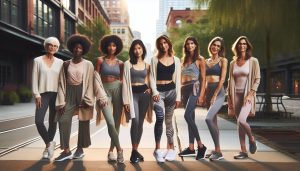
While many may perceive yoga pants solely as gym attire, the truth is that these versatile pieces can effortlessly transition into stylish streetwear. With the right pairing and accessories, you can create outfits that reflect confidence and comfort, perfect for any casual outing. Athleisure is not just a trend; it’s a lifestyle choice, blending functionality with flair to empower women to feel good in their skin whether at the studio or out with friends.
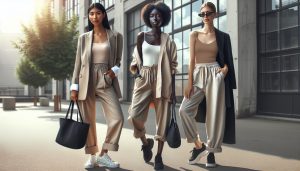
To create a chic look, consider opting for high-waisted leggings that provide both style and support. Pair them with an oversized sweater or a cropped hoodie for a relaxed yet put-together vibe. Layering is key; a denim jacket over a fitted tank can elevate your outfit while adding a hint of street style. Complement your look with sleek sneakers or ankle boots, which not only match the activewear aesthetic but also promote practical comfort for all-day wear.
Accessorizing can further enhance your transition from gym to street; think stylish backpacks, crossbody bags, or a bold statement necklace that can draw attention away from the workout gear while keeping the appearance sophisticated. Don’t forget that well-chosen fabrics can enhance your outfit too-opt for yoga pants made from moisture-wicking materials that look polished yet feel great, allowing you to maintain confidence in your style and performance. Ultimately, the secret lies in balance: embracing comfort without sacrificing fashion.
For those who prefer more budget-friendly options, many brands offer affordable alternatives without skimping on quality. Look for local retailers or online marketplaces that provide a range of yoga pants and activewear reflecting current trends without the hefty price tags associated with high-end brands like Lululemon. By investing in pieces that cater to your lifestyle, you’ll have a powerful and fashionable toolset ready to go from the studio to the streets, making athleisure a wardrobe essential.
Budget-Friendly Alternatives for Yoga Pants
Finding affordable yoga pants that don’t compromise on style or performance can feel daunting, but it’s entirely possible to equip your wardrobe with versatile pieces without breaking the bank. With a range of budget-friendly options available, you can enjoy both comfort and flair while being smart about your spending. Brands such as Old Navy, Target, and Aerie offer an impressive selection of high-quality activewear, ensuring you can dive into your fitness routine and transition into daily activities seamlessly.
Consider the advantages of shopping from these more affordable mainstream brands: they frequently have sales and discounts, making it easier to snag quality fabrics like moisture-wicking polyester or breathable cotton blends at a fraction of the price you’d pay for designer labels. Look for styles with added features such as hidden pockets, adjustable waistbands, and varied inseam lengths, which enhance both functionality and fit while keeping you looking chic.
Essential Features to Look For
When hunting for budget-friendly yoga pants, keep these factors in mind:
- Style and Fit: Opt for mid-rise or high-waisted options that provide support and coverage, making them suitable not just for yoga but also for running errands or casual outings.
- Fabric Quality: Search for synthetic blends with spandex that offer stretch and durability, allowing for a full range of motion during workouts.
- Functionality: Look for moisture-wicking materials to keep you dry and comfortable, especially if you plan to wear your yoga pants for high-intensity workouts.
Care Tips for Longevity
To extend the life of your affordable yoga pants, proper care is essential. First, always check the care label for specific washing instructions. In general, washing them in cold water with like colors and avoiding fabric softeners will help maintain the fabric’s strength and elasticity. Hang or lay flat to dry instead of using a dryer, as heat can degrade the fabric faster.
By investing in a few solid pairs of yoga pants from budget-friendly brands and following care guidelines, you will create a stylish and practical athleisure wardrobe that carries you effortlessly from the yoga studio to street style. Embrace the fusion of comfort and trendiness and remember: you don’t need to spend a fortune to feel confident and chic.
Frequently Asked Questions
Q: What are the most common materials used for yoga pants?
A: The most common materials for yoga pants include cotton, polyester, nylon, and spandex. Each fabric offers unique benefits such as breathability, stretch, and moisture-wicking properties, making them ideal for various types of yoga and physical activities.
Q: How do different fabrics affect the comfort of yoga pants?
A: The comfort of yoga pants is significantly influenced by the fabric. For instance, cotton provides softness but may retain moisture, while polyester and nylon offer excellent moisture-wicking properties. Choosing a blend with spandex enhances flexibility, ensuring comfort during movement.
Q: Are there eco-friendly options for yoga pants fabrics?
A: Yes, many brands are now offering eco-friendly yoga pants made from materials like organic cotton, recycled polyester, and Tencel. These fabrics reduce environmental impact and promote sustainability without compromising on comfort and performance.
Q: What should I consider when choosing fabric for yoga pants?
A: When choosing fabric for yoga pants, consider factors like stretch, breathability, and moisture management. Additionally, assess your activity level; high-intensity workouts benefit from moisture-wicking fabrics, while gentle yoga can be comfortable in cotton blends.
Q: How does moisture-wicking fabric benefit yoga practice?
A: Moisture-wicking fabric draws sweat away from the body, keeping you cool and dry. This is especially beneficial during hot yoga or vigorous sessions, as it helps maintain comfort and reduces the risk of chafing or irritation during movement.
Q: What are the pros and cons of synthetic versus natural fabrics for yoga pants?
A: Synthetic fabrics like polyester and nylon offer durability and moisture-wicking benefits but can feel less breathable. Natural fabrics like cotton are soft and comfortable but may retain moisture. Consider your personal preference and activity level when choosing.
Q: How can I maintain my yoga pants to prolong their lifespan?
A: To maintain your yoga pants, wash them in cold water, avoid using fabric softeners, and air dry to prevent damage. Following proper care instructions ensures they retain their shape and moisture-wicking properties for longer wear.
Q: Why are spandex and elastane commonly blended with other fabrics for yoga pants?
A: Spandex and elastane are blended with other fabrics to enhance stretch and recovery, allowing yoga pants to maintain their shape and provide a full range of motion. This elasticity is crucial for comfort during various yoga poses and activities.
The Way Forward
In conclusion, understanding the various fabrics used in yoga pants empowers you to make informed choices that enhance both your workout performance and everyday comfort. From the moisture-wicking benefits of polyester blends to the softness of cotton, each material serves a unique function that can elevate your athleisure wardrobe. Don’t miss out on exploring our detailed guides on styling leggings for gym-to-street transitions and effective care instructions to keep your favorite pieces looking fresh.
Ready to redefine your activewear collection? Dive deeper into our resources, and discover top-rated brands like Lululemon that combine style and performance seamlessly. Join our newsletter for exclusive tips and the latest trends in athleisure fashion that celebrate the perfect blend of comfort and chic. Share your thoughts and experiences in the comments below-your insights could inspire others on their journey to stylish active living! Keep moving forward with confidence and flair, and stay tuned for more engaging content that keeps you coming back for more.